All items of category 'Community Mental Health'
For helping provide on-the-ground mental health support.
Join us for a webinar spotlighting three new digital applications designed to support the behavioral health of youth and young adults in California. Funded through the Children and Youth Behavioral Health Initiative (CYBHI), each app—Mirror, Soluna, and BrightLife Kids—was designed with input from the audiences they aim to serve. Clinical, school-based, and community care team members will gain valuable insight into services offered by each app and, more specifically, how Soluna and BrightLife Kids can be integrated into care pathways, ...

The Becoming ACEs Aware in California training is a free, two-hour, online course that covers Adverse Childhood Experiences (ACEs), toxic stress, ACE screening, toxic stress risk assessment, and trauma-informed care and provides health care teams and community providers with evidence-based strategies to prevent and mitigate toxic stress physiology. Updated in 2026, the training includes tailored learning pathways for Medical Providers, Mental and Behavioral Health Providers, and members of the broader Care Team. The training offers between 2.0 and 9.0 free Continuing ...
The California Child and Adolescent Mental Health Access Portal (Cal-MAP) is a no-cost consultation program that supports primary care and school-based providers in delivering timely, high-quality mental health care to youth ages 0–25. Cal-MAP is part of the CalHOPE pediatric access initiative and is designed to expand access to behavioral health services, particularly in California’s rural and underserved communities. Through Cal-MAP, providers who screen for Adverse Childhood Experiences (ACEs) and toxic stress can be connected with child and adolescent psychiatrists, ...

The California Advancing and Innovating Medi-Cal (CalAIM) initiative represents a bold reimagining of how health care is delivered to Medi-Cal members. Launched in 2022 by the California Department of Health Care Services (DHCS), CalAIM aims to improve health outcomes for Medi-Cal members by shifting from a traditional medical model to a more comprehensive approach that more adequately meets the needs of individuals, families, and communities. At its core, CalAIM recognizes that health is deeply influenced by the social and environmental ...
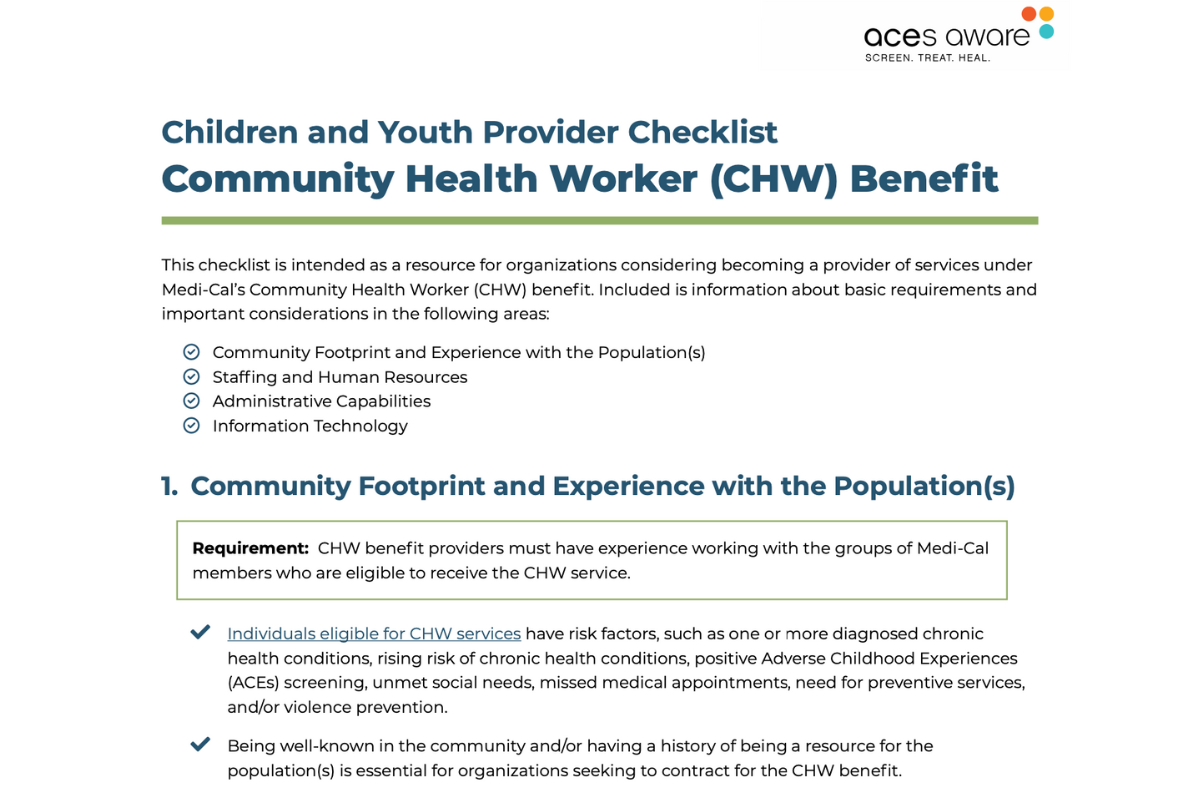
This CHW checklist is intended as a resource for organizations that are considering becoming a provider of services under Medi-Cal’s CHW benefit for children and youth populations.
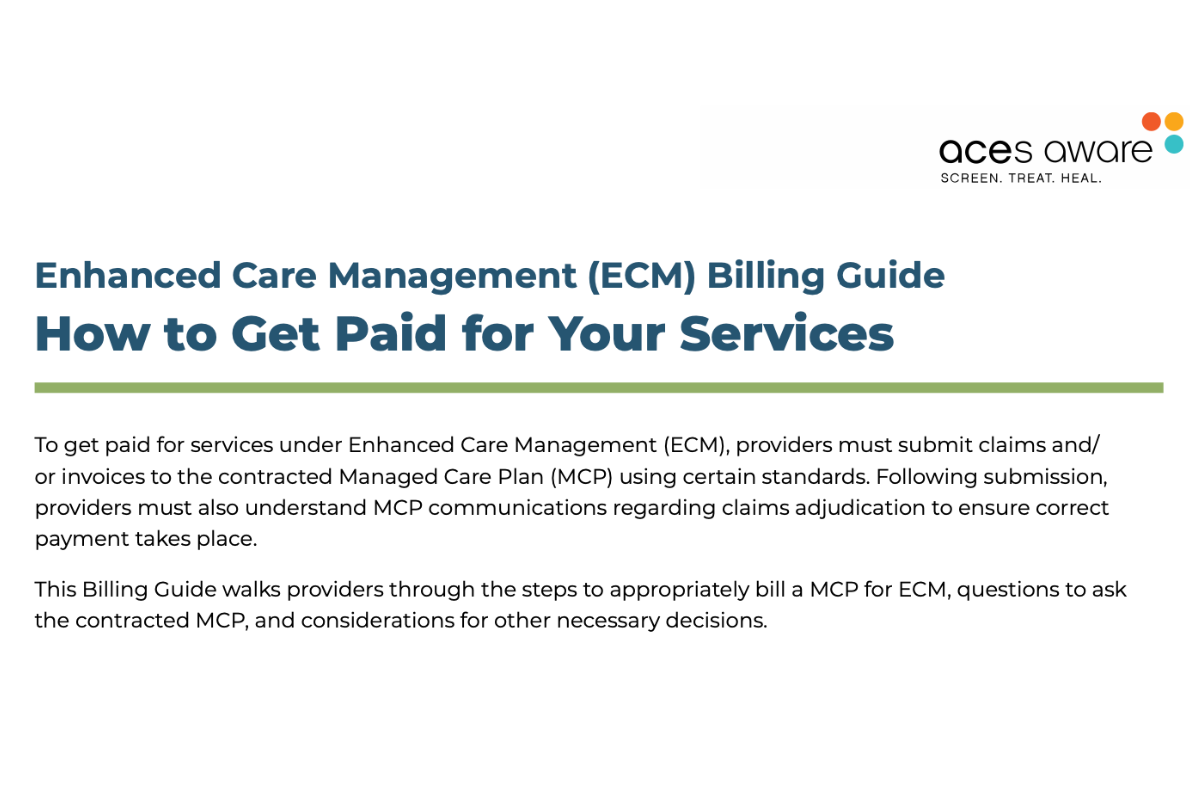
This ECM Billing Guide walks providers through the steps to appropriately bill a Managed Care Plan (MCP) for ECM, questions to ask the contracted MCP, and considerations for other necessary decisions.
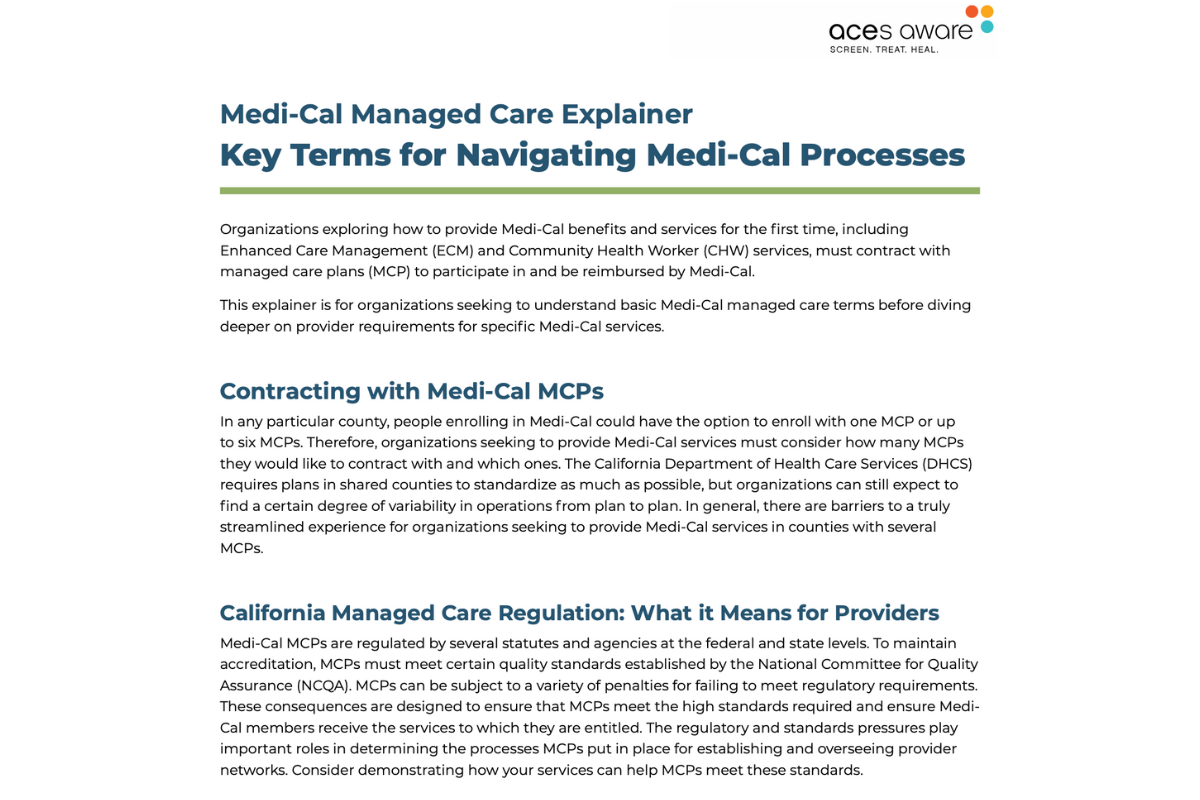
This Medi-Cal Managed Care Explainer is for organizations seeking to understand basic Medi-Cal managed care terms before diving deeper on provider requirements for specific Medi-Cal services, including Enhanced Care Management (ECM) and Community Health Worker (CHW) services.
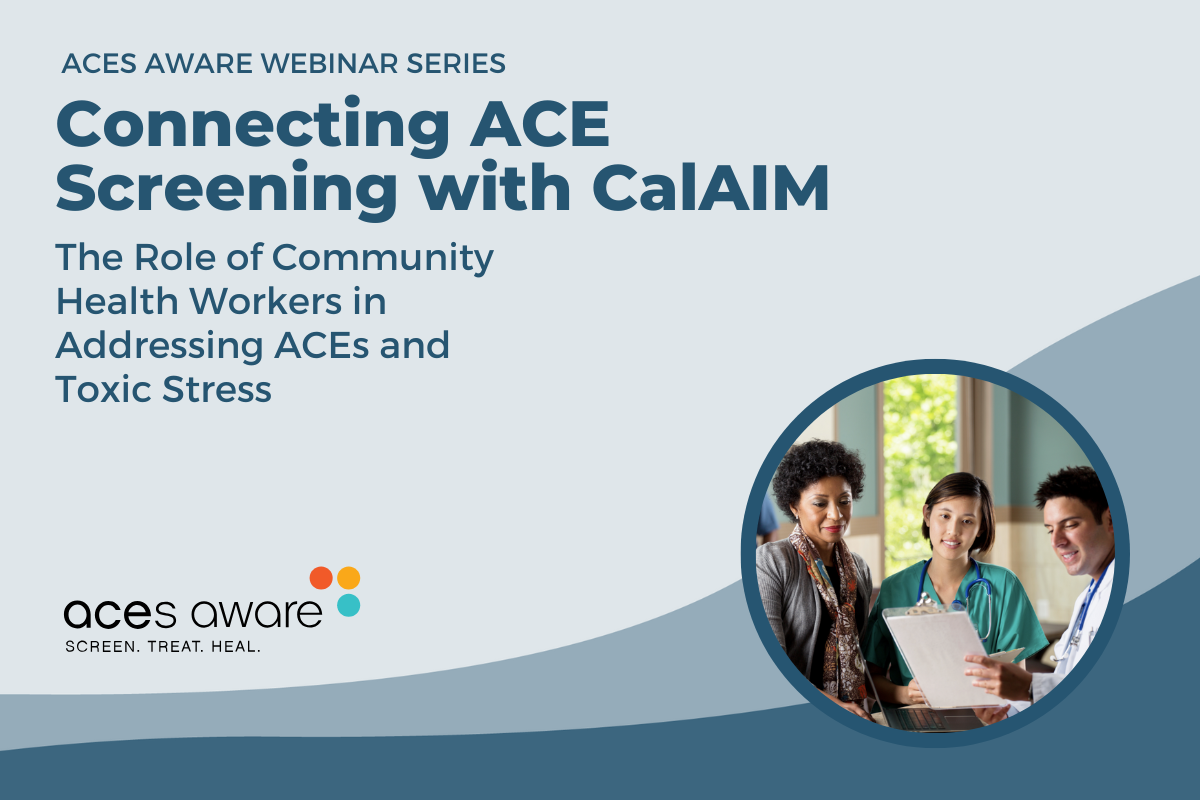
Community Health Workers (CHW) can be trusted partners to individuals and communities given their lived experiences, connections, and knowledge. In this webinar, we will discuss CalAIM’s CHW benefit, including participant eligibility, an overview of CHW services, and how the CHW benefit can support individuals and families experiencing the impacts of Adverse Childhood Experiences (ACEs) and/or toxic stress. Designed as a preventive service, the CHW benefit is available to support individuals with several risk factors and/or diagnoses, including behavioral health, chronic ...

Enhanced Care Management (ECM) is a holistic and intensive care management program established under California Advancing and Innovating Medi-Cal (CalAIM). ECM is available to children and youth with complex health needs, including those identified through an Adverse Childhood Experiences (ACE) screen as at high risk for toxic stress. ECM can provide Medi-Cal members with extra help in navigating the physical and behavioral health system and accessing social needs. All ECM services are available through a network of community-based providers contracted ...

Join us for an in-depth webinar exploring the California Advancing and Innovating Medi-Cal (CalAIM) initiative and its role in enhancing clinical responses for children and youth at risk of toxic stress physiology. This session will provide a foundational understanding of CalAIM’s key components, including Enhanced Care Management (ECM) and Community Supports, and how these initiatives create new opportunities for integrating trauma-informed care into clinical practice. Attendees will learn how CalAIM can be leveraged to improve care coordination, address social drivers ...

The "Connecting ACE Screening with CalAIM" series explores the critical intersection of Adverse Childhood Experiences (ACEs) screening and response efforts and the California Advancing and Innovating Medi-Cal (CalAIM) initiative. Designed for health care providers, behavioral health clinicians, and community-based organizations, this series highlights how CalAIM’s components, including Enhanced Care Management and Community Supports, can serve as vital resources for individuals impacted by ACEs and toxic stress. Participants will gain insights into evidence-based strategies for integrating ACE screening with whole-person care ...
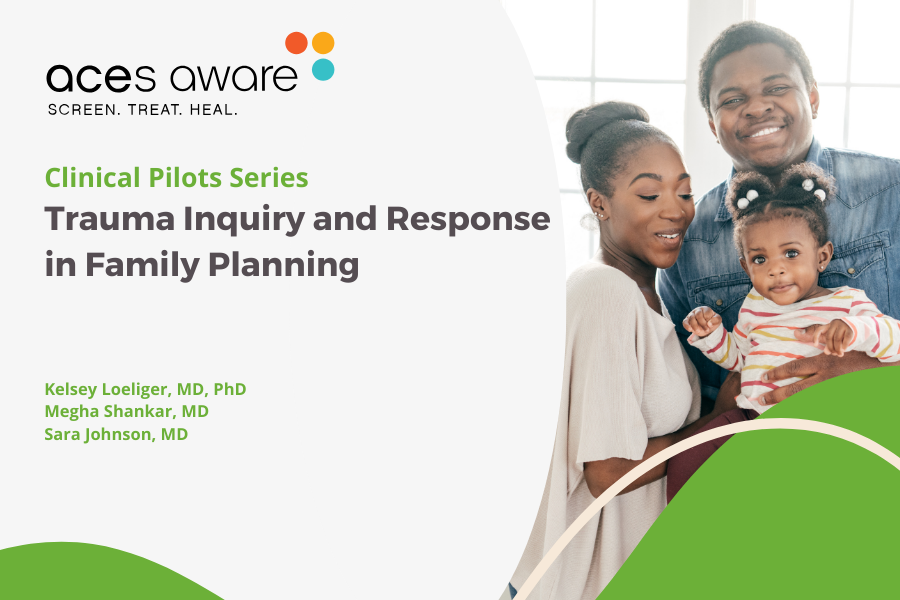
This webinar will feature a University of California San Francisco (UCSF) pilot project focused on the use of trauma inquiry in family planning sessions. Adverse Childhood Experiences (ACEs) and traumatic experiences, such as intimate partner violence (IPV), impact health outcomes of people seeking family planning services. IPV and sexual assault are more common among people with sexually transmitted infections and people seeking abortion care, yet trauma is not routinely discussed in family planning settings. Clinical cases will be used to ...
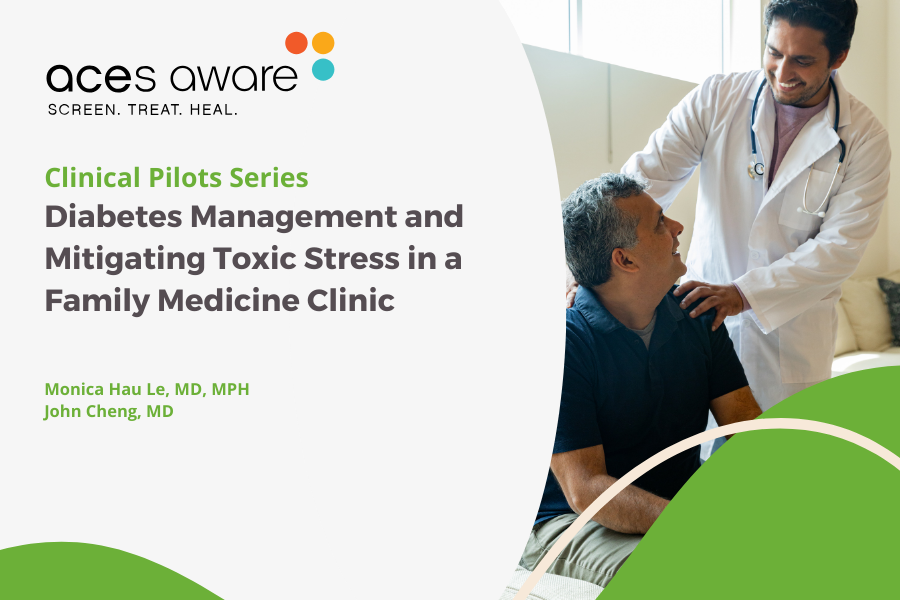
This webinar, part of the Clinical Pilots series, focuses on a trauma-informed diabetes intervention program that screens for Adverse Childhood Experiences (ACEs) within a safety net family medicine clinic. Participants will learn about diabetes as an ACE-Associated Health Condition, the methods and findings of this diabetes pilot, and how an ACEs and trauma-informed approach for diabetes management can supplement usual care.
This webinar, part of the Implementation with Intention series, will explore how Enhanced Care Management (ECM) can enhance comprehensive care coordination and link families to community and social service needs. Participants will review the new pediatric ECM Medi-Cal benefit and discuss opportunities to sustain this benefit to promote the health and well-being of Medi-Cal members with the most needs.

This webinar will introduce participants to how Adverse Childhood Experience (ACE) screening is being used alongside other assessment measures as part of the intake process in a community mental health program that serves English- and Spanish-speaking patients. The presenters will discuss their culturally competent trauma-informed care model along with the rationale and techniques to overcome barriers to ACE assessment in this setting. They will also share strategies to help empower patients to live healthier lives by processing their experiences of ...
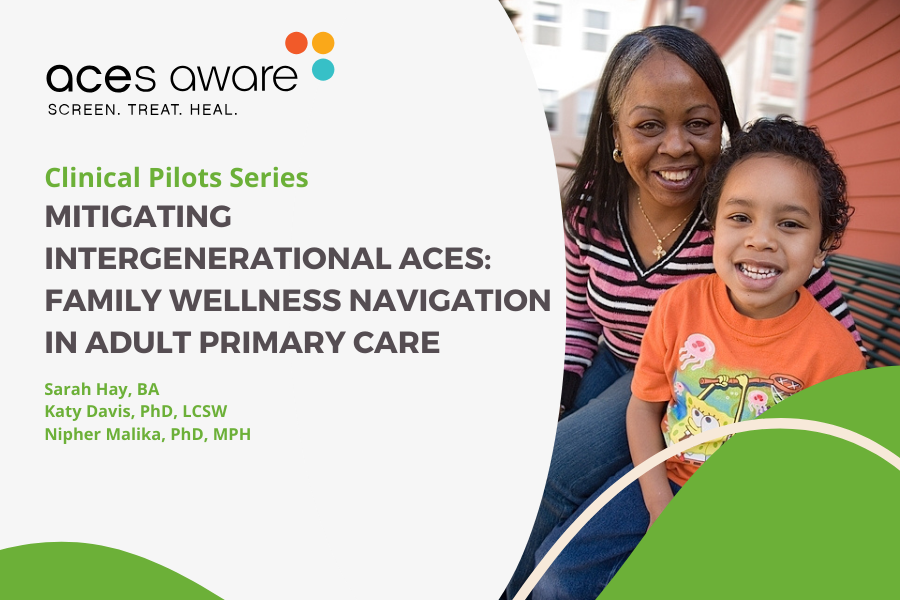
This webinar will describe how and why a family wellness program that provides navigation and care coordination for the children of adult primary care patients was designed and implemented to mitigate intergenerational trauma at the UCSF Women’s HIV Program. Clinical vignettes will be used to illustrate how the program works and impacts the lives of participants. Evaluation data will be shared to demonstrate how the program has been adapted based on patient and provider/staff feedback and experience. Ideas and practices ...

In this webinar, Dr. Laura Figueroa-Phillips, MD, MSCE, will discuss the beneficial effects of mindfulness and meditation for patients suffering from the effects of Adverse Childhood Experiences (ACEs). Dr. Figueroa-Phillips will give an overview of the existing evidence for these benefits and will share the results from her team’s pilot study, “Virtual Meditation as a Response to Adverse Childhood Events.” Dr. Figueroa-Phillips will conclude by sharing ideas for future projects and resources her team developed to promote mindfulness practices within ...

In this webinar, part of the Implementation with Intention series, ACEs Aware youth and young adult patient advisors will share their recommendations for how health care teams can discuss Adverse Childhood Experiences (ACEs) and toxic stress with young patients. Participants will also hear a clinician's perspective on approaches to addressing ACEs and toxic stress among adolescent patients.

In this webinar, representatives from Alianza Nacional de Campesinas, Futures Without Violence, and Líderes Campesinas will discuss an ACEs Aware pilot project to promote health, leadership, and collaboration between farmworker leaders and community health centers in farmworker communities. Project NACES, built in collaboration with local community health centers and our evaluation partners, aims to increase opportunities for farmworkers to inform health care screening and responses to Adverse Childhood Experiences (ACEs), increase ACEs education in farmworker communities, build partnerships between community ...

The ACEs Aware Clinical Pilots webinar series highlights the work of researchers, health care teams, and community organizations that have received funding from ACEs Aware to advance the field of Adverse Childhood Experiences (ACEs) and toxic stress. The series shares innovative strategies to identify, prevent, and respond to ACEs and toxic stress in different settings and patient populations. Each webinar in this series features specific work to address current gaps in evidence and practice, lessons learned, and implications for the ...

In this webinar, Dr. Candace Gragnani, MD, MPH, will discuss the evidence base for connecting with nature to mitigate toxic stress and improve physical, mental, social, emotional, and spiritual well-being. Attendees will learn how nature can be leveraged as part of a Trauma-Informed Network of Care from two nature-based programs that engage youth at the clinical and community level. Dr. Gragnani will highlight findings from the ACEs Aware pilot project that explored park staff and pediatric health care provider views ...
This webinar will highlight recently published key findings from the California ACEs Learning and Quality Improvement Collaborative (CALQIC), which was a two-year, 48-clinic, seven-region collaborative that examined the challenges and facilitators to implementing, scaling, and sustaining ACE screening and response in frontline Medi-Cal clinics. Participants will hear from Dr. Edward Machtinger, who co-directed CALQIC (with Drs. Marguerita Lightfoot and Anda Kuo) and Dr. Nicole Eberhart, a Senior Behavioral Scientist at RAND Corporation, a CALQIC evaluation partner. The webinar will describe ...
This webinar will explore the fundamentals of billing and reimbursement for Adverse Childhood Experience (ACE) screening. Tailored for health care professionals and administrators, participants will learn about the billing cycle of an ACE screen and clinical response and key steps to building a billing workflow. The presenters will share strategies that they have used successfully in clinical settings, with a focus on aligning financial practices with prevention, screening, and treatment for ACEs and toxic stress.

In this edition of the Implementation with Intention webinar series, participants will learn how to prepare and set up common electronic health record (EHR) systems for Adverse Childhood Experiences (ACE) screening and response. Participants will learn various approaches to EHR builds, how to leverage data systems for referrals within ACEs networks of care, and see examples of actual ACEs builds in specific EHR platforms.

This special webinar highlights the ACE Screening How-To Guide and implementation lessons from clinics across the state.