Mitigating Intergenerational ACEs: Family Wellness Navigation in Adult Primary Care
About
This webinar will describe how and why a family wellness program that provides navigation and care coordination for the children of adult primary care patients was designed and implemented to mitigate intergenerational trauma at the UCSF Women’s HIV Program. Clinical vignettes will be used to illustrate how the program works and impacts the lives of participants. Evaluation data will be shared to demonstrate how the program has been adapted based on patient and provider/staff feedback and experience. Ideas and practices on how to sustain a family- and child-focused intervention in an adult safety net primary care clinic will be shared.
Learning Objectives
- Describe how and why this family wellness program was designed to address intergenerational trauma in an adult safety net primary care clinic
- Define the role of a family wellness navigator and how they can be integrated into a trauma-informed primary care clinic
- Describe the challenges and successes of family wellness navigation
- Identify what is needed to sustain a family wellness program and navigator in a safety net primary care clinic
Professional Credit
- This activity provides the following types of credit: AAPA, APA, AMA, ANCC, ASWB, ABIM-MOC, ABP-MOC.
- 1.0 credits are available.
- Activity document
Featuring
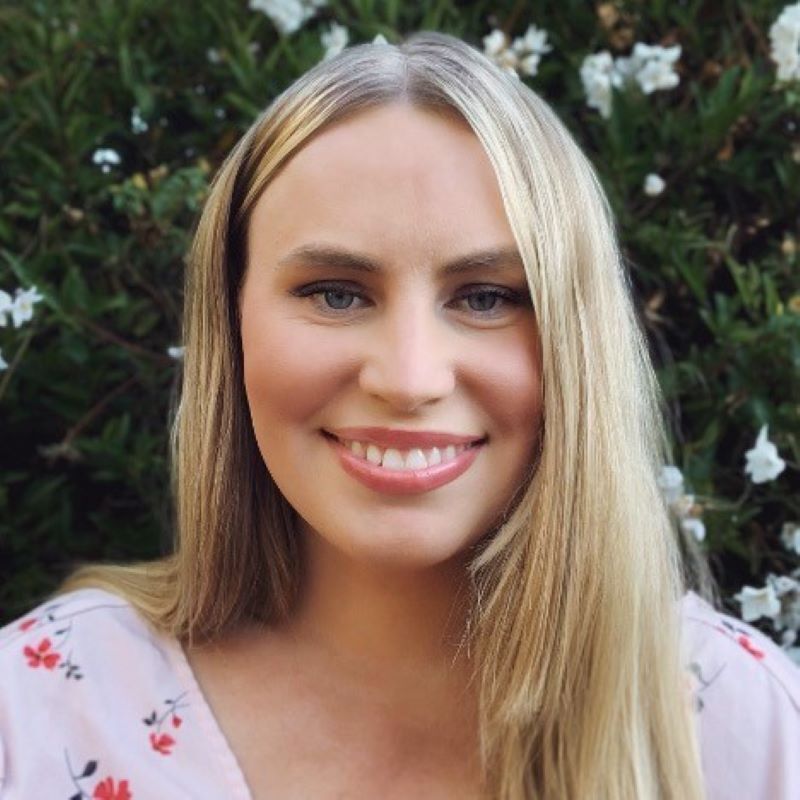
Sarah Hay has worked with women with HIV and their families for nearly a decade. She was an intensive case manager for many years at Catholic Charities Rita da Cascia Community where she focused on connecting women to medical, financial, legal, and psychiatric services. In her current role of family wellness navigator at the UCSF Women’s HIV Program, she supports patients by assessing the needs of their children, providing referrals and linkage to services, and communicating with and supporting the children’s network of services. In her free time, she enjoys spending time with family and volunteering with animal rescue organizations.

Nipher Malika, PhD, MPH, is a social epidemiologist and a policy researcher at the RAND Corporation. Her research centers on closing the gap in health inequities through understanding how various social drivers affect the health of individuals and communities and identifying solutions, in partnership with communities, to address a range of health inequities.
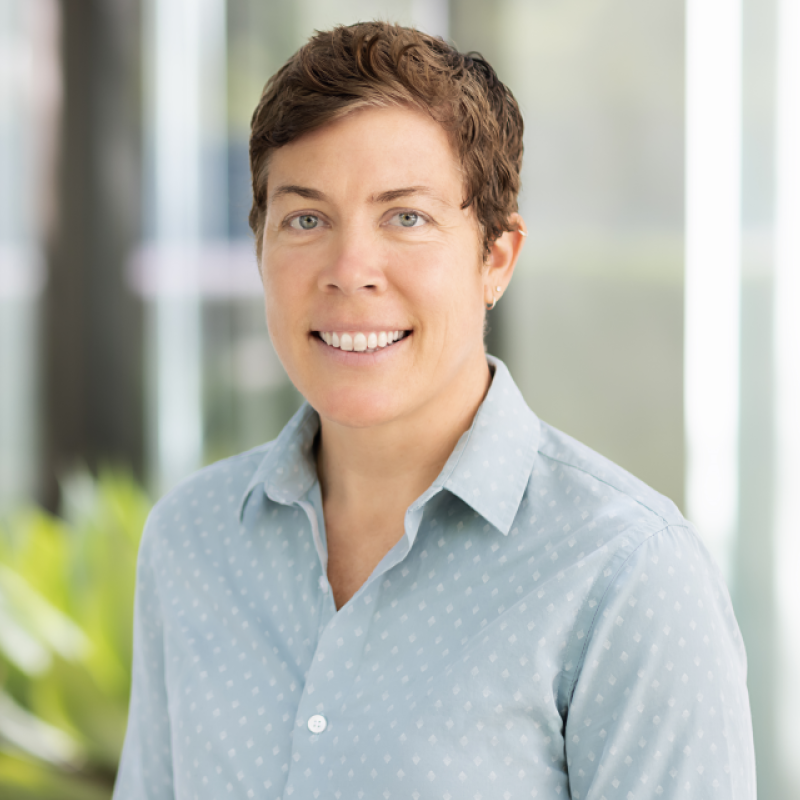
Katy Davis, PhD, LCSW, is a social worker and trauma therapist who has worked with women with HIV since 2003. For the past eight years, she has led the UCSF Women’s HIV Program’s efforts to develop and implement a model of trauma-informed health care. She designs and oversees behavioral health interventions, supervises and supports staff, and provides group and individual therapy to women with HIV. Her research focuses on understanding and addressing stigma, attachment, and substance use to support women with HIV who experience intimate partner violence.