The Role of Community Health Workers in Addressing ACEs and Toxic Stress
About
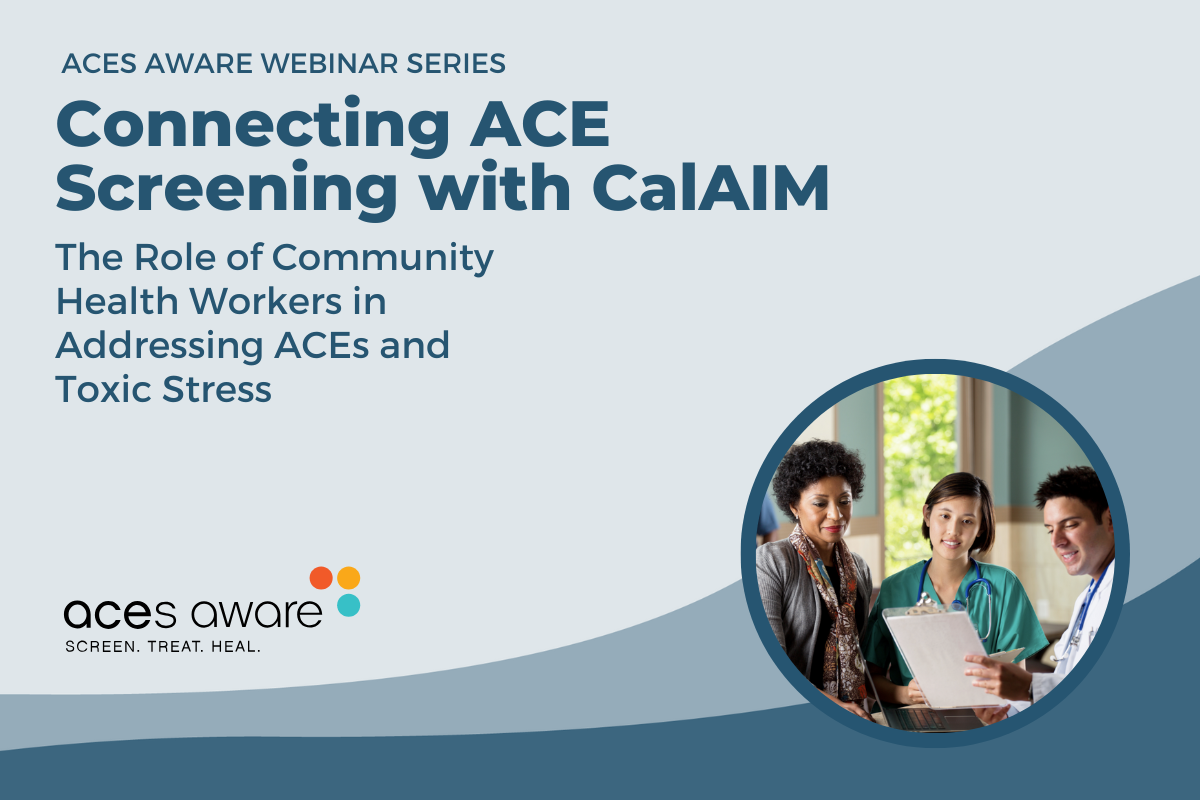
Community Health Workers (CHW) can be trusted partners to individuals and communities given their lived experiences, connections, and knowledge. In this webinar, we will discuss CalAIM’s CHW benefit, including participant eligibility, an overview of CHW services, and how the CHW benefit can support individuals and families experiencing the impacts of Adverse Childhood Experiences (ACEs) and/or toxic stress. Designed as a preventive service, the CHW benefit is available to support individuals with several risk factors and/or diagnoses, including behavioral health, chronic disease, reproductive health, exposure to community violence, and unmet social needs. CHWs with aligned lived experience work with participants on a short-term basis to provide health education, assist with system navigation, and identify community resource connections.
Learning Objectives
- Describe the purpose of the CalAIM CHW benefit
- Outline CHW participant eligibility criteria and covered services
- Discuss how a CHW’s lived experience can support individuals and families experiencing the impacts of ACEs
Professional Credit
- This activity provides the following types of credit: AMA, AAPA, APA, ANCC, ASWB, ABIM-MOC, ABP-MOC.
- 1.0 credits are available.
- Activity document
Featuring
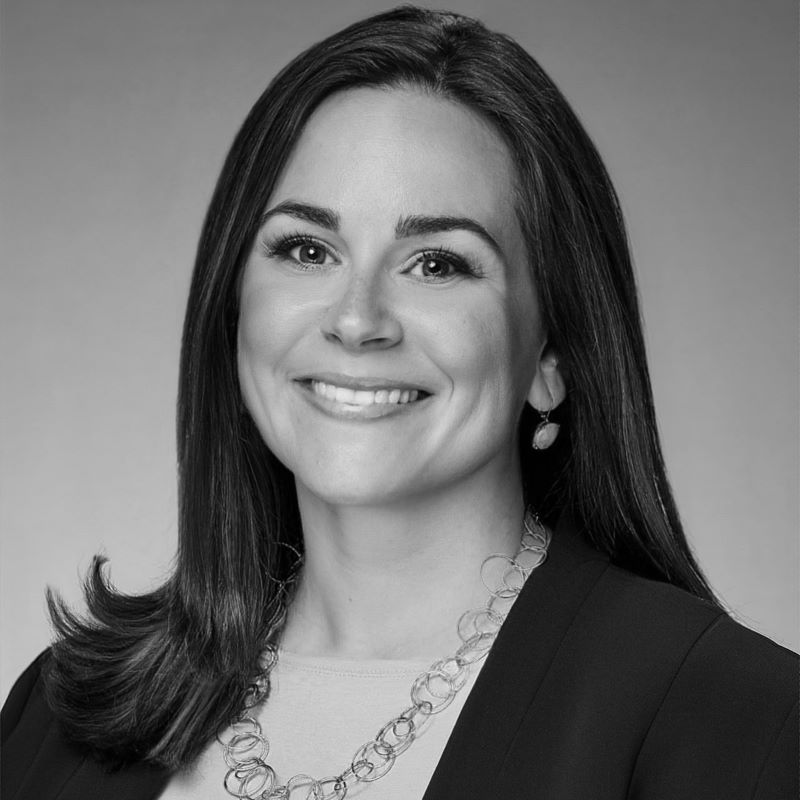
Cynthia Carmona has more than 20 years of experience in health policy, program development, and implementation. In her various roles working with state and local agencies, safety net providers, and managed care organizations, Cynthia has implemented several major health care initiatives, including My Health LA, the Low- Income Health Program transition to Medi-Cal under the Affordable Care Act, the Health Homes Program, and CalAIM ECM and Community Supports (CS). Cynthia’s current work includes coaching organizations on CalAIM implementation, managing organizational transformation, and launching value-based programs. Prior to launching Carmona Insights, Cynthia led the Safety Net Initiatives department at L.A. Care Health Plan, working with Los Angeles County and nonprofit community health centers to enhance systems of care. She oversaw CalAIM ECM and Community Supports implementation, as well as L.A. Care's Elevating the Safety Net workforce investment fund. Prior to joining L.A. Care, Cynthia was the Director of Government and External Affairs for the Community Clinic Association of LA County (CCALAC) where she oversaw the development, implementation, and evaluation of CCALAC's advocacy, government, and public relations activities.
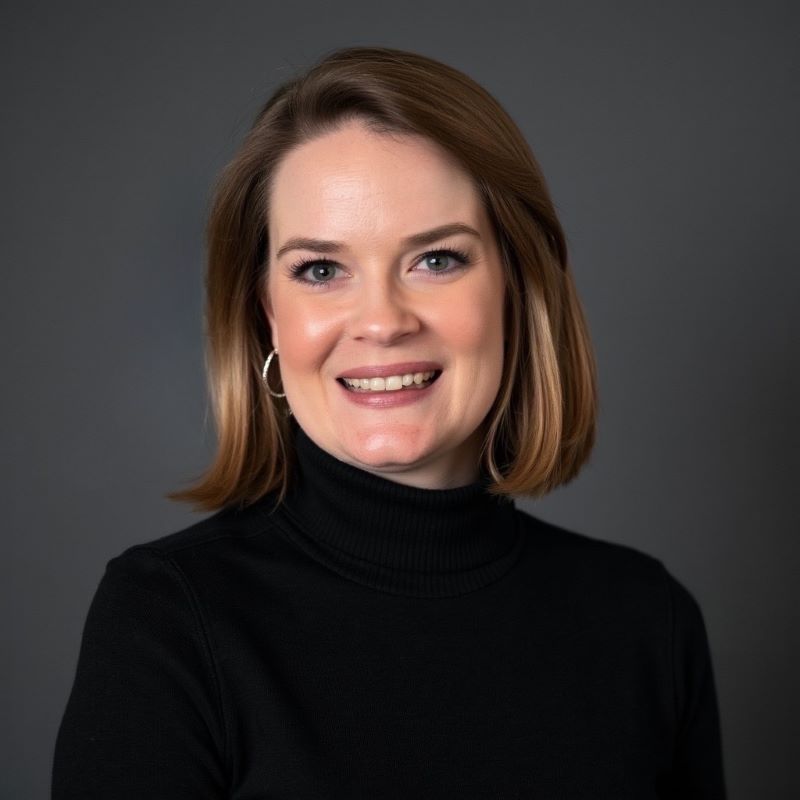
Mary W. Zavala, LCSW, MPP, MA, works as a health care consultant with organizations seeking to improve client care delivery and outcomes. She has extensive experience in person-centered and team-based care through her direct social work practice in oncology and solid organ transplantation. Mary’s experience also includes CalAIM and Medi-Cal managed care through her role as Director of the Health Homes Program and Director of ECM for L.A. Care Health Plan. She also served as the Director of State Programs for San Francisco Health Plan, where she was responsible for ECM and Community Supports. Mary’s peer-reviewed research highlights the positive effects that care management and coordination can have on health outcomes, such as quality of life, health literacy, and sense of support in vulnerable populations.
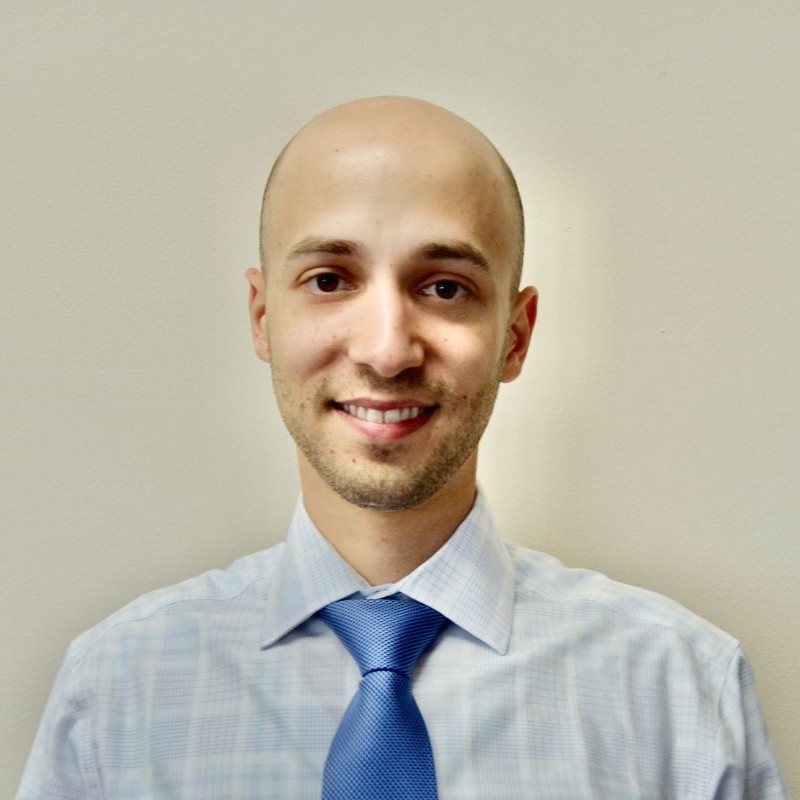
Dr. Aaron Norr is the Senior Director of Education and Training at UCAAN. He is also an Investigator with the VA Veterans Integrated Services Networks (VISNs) 20 Mental Illness Research Education and Clinical Center and a licensed clinical psychologist. Prior to joining UCAAN, he served as the Deputy Director of Education at the VA Puget Sound Healthcare System in Seattle, WA. His clinical and academic areas of focus include post-traumatic stress disorder, anxiety/mood disorders, suicide, and the use of technology in behavioral health training and treatment. Dr. Norr earned a B.S. in Psychology from the University of Washington, and a Ph.D. in Clinical Psychology from Florida State University. He completed his doctoral internship and mental illness clinical research fellowship at VA Puget Sound.