Dyadic Care in Pediatrics: Preventive Care for Whole Family Wellness
About
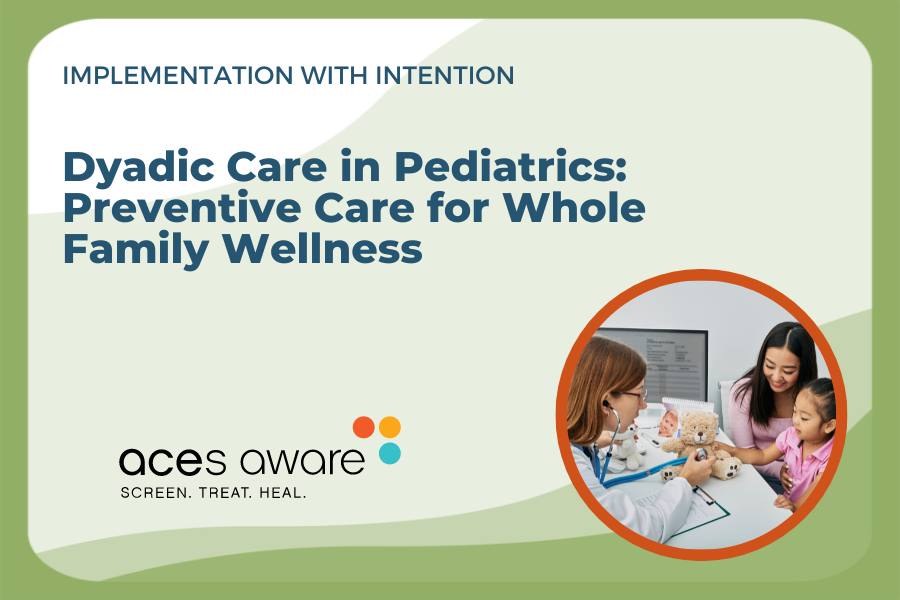
In this webinar, part of the Implementation with Intention series, participants will explore the opportunity of primary care-based dyadic care for improving child and family well-being. They will review the new dyadic care Medi-Cal benefit and opportunities to pay for health promotion and prevention and explore the intersection between dyadic care and toxic stress prevention.
Learning Objectives
- Identify three benefits associated with providing early childhood, preventative dyadic care services in primary care
- Describe three ways of providing dyadic services in pediatric primary care
- Name the core dyadic services covered under the new dyadic services benefit
- Discuss one way that dyadic care can support Adverse Childhood Experience (ACE) screening and response in clinical settings
Professional Credit
- This activity provides the following types of credit: AMA, ANCC, ASWB, ABIM-MOC, ABP-MOC, AAPA, APA.
- 1.0 credits are available.
- Activity document
Featuring
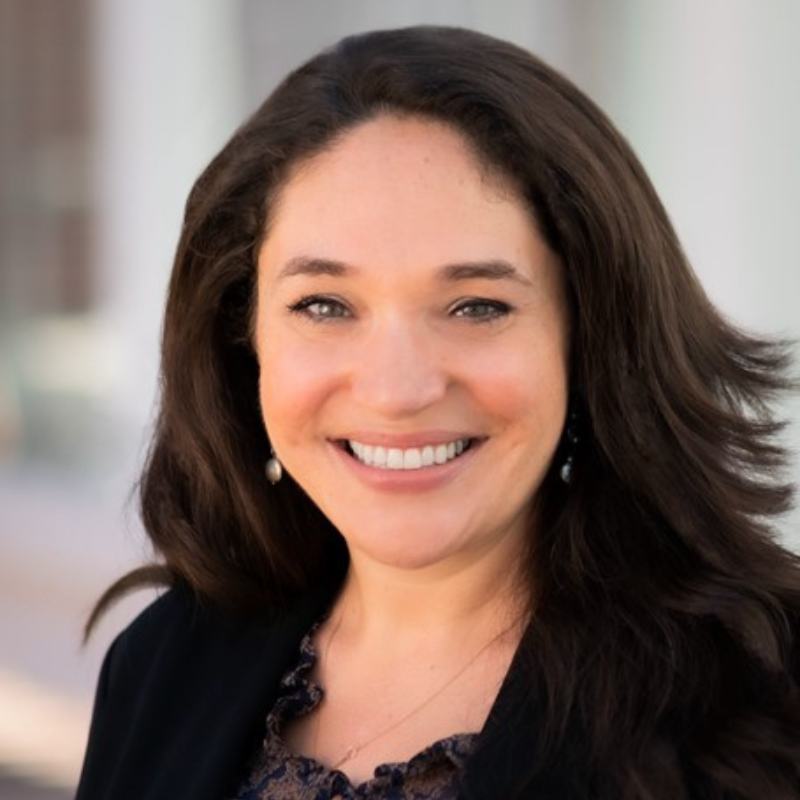
Dr. Kate Margolis is a UCSF Associate Professor of Psychiatry and Pediatrics and is the Director of the Division of Integrated Behavioral Health at the Zuckerberg San Francisco General Hospital. She is a Spanish-speaking, licensed child clinical psychologist and leads the integrated behavioral health program at the Zuckerberg San Francisco General Children’s Health Center, which includes HealthySteps services. Dr. Margolis specializes in the implementation of pediatric primary care integrated behavioral health programs and brings expertise in Medicaid financing and sustainability to this work. She has directly supported the implementation and uptake of pediatric integrated behavioral health services to more than 50 publicly insured pediatric and family clinics across California and Colorado. Dr. Margolis was a leading collaborator in the development of the new Medi-Cal dyadic services benefit and is the founding director of the UCSF CADP.

Leena Singh, DrPH, MPH is a public health leader with expertise in program design and strategy, clinical technical assistance, research, evaluation, and training in the areas of adolescent sexual health and childhood adversity. She currently is a Lead Coach and Adviser for the Training & Implementation Department at UCAAN. Dr. Singh was previously a Coach & Consultant for the California ACEs Learning and Quality Improvement Collaborative (CALQIC), a statewide learning collaborative led by the UCSF Center to Advance Trauma-Informed Healthcare and the Center for Care Innovations. She received her Master of Public Health (MPH) degree from Columbia University and holds a Doctor of Public Health (DrPH) degree from the University of California, Berkeley.
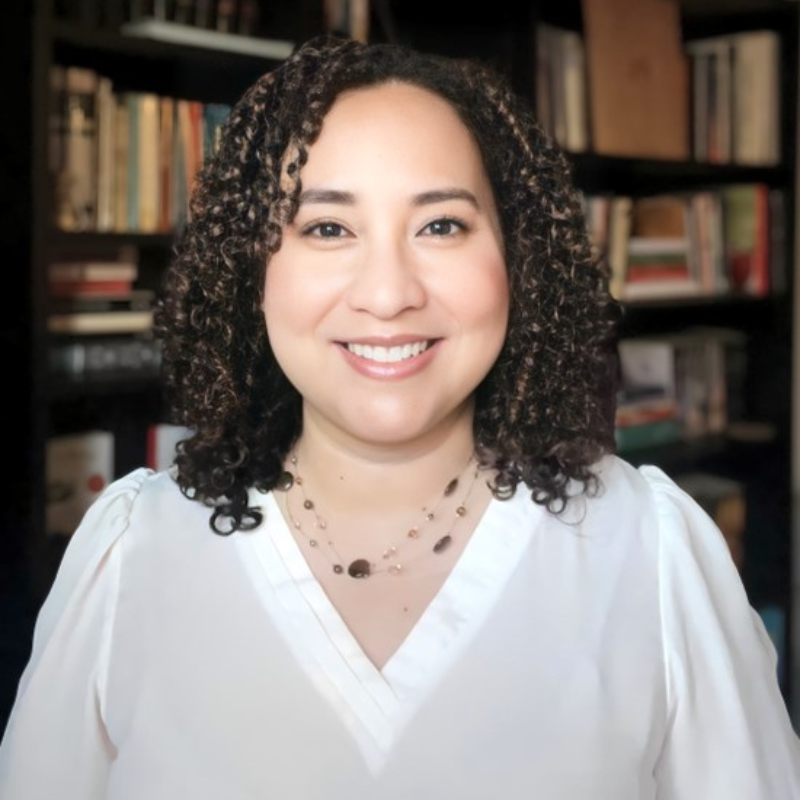
Shay-Lee Perez, PsyD, is a Spanish-speaking licensed clinical psychologist and the technical assistance manager for the UCSF CADP. Dr. Perez brings more than 20 years of experience as a licensed clinical psychologist working with young children and their families across various settings, including pediatric primary care, counseling centers, churches, and early childhood systems. She is passionate about helping all families of young children gain access to culturally responsive and trauma-informed preventive behavioral health care. Prior to her work with UCSF, Dr. Perez supported the implementation of pediatric primary care integrated behavioral health programs, first by providing direct service to families in New York City and then providing support to sites nationally through ZERO TO THREE. Dr. Perez has dedicated her career to understanding the lasting impacts of trauma and toxic stress on young children and their families and exploring ways systems can contribute to supporting resilience in families. Some of her clinical interests include integrated pediatric primary care, health equity, cross-cultural parenting approaches, spirituality, trauma-informed care, and training and workforce capacity in the early childhood workforce.