All items of type 'video'
This video takes viewers through the accompanying document, offering practical guidance for implementing dyadic, team-based well child visits in pediatric primary care, where a behavioral health clinician (BHC) and primary care provider (PCP) collaborate to support both the child and caregiver. It includes an interview with a pediatric primary care provider sharing her experience offering dyadic team-based services.
This video offers guidance on documenting dyadic care visits — where both the pediatric patient and caregiver are involved — while protecting sensitive caregiver information in compliance with the CURES Act and “Open Notes” requirements. It includes some background information on the CURES Act, documentation strategies, adaptable templates, and real-world clinic examples. There is an accompanying document along with a video explanation to support users in navigating and applying the guidance effectively.
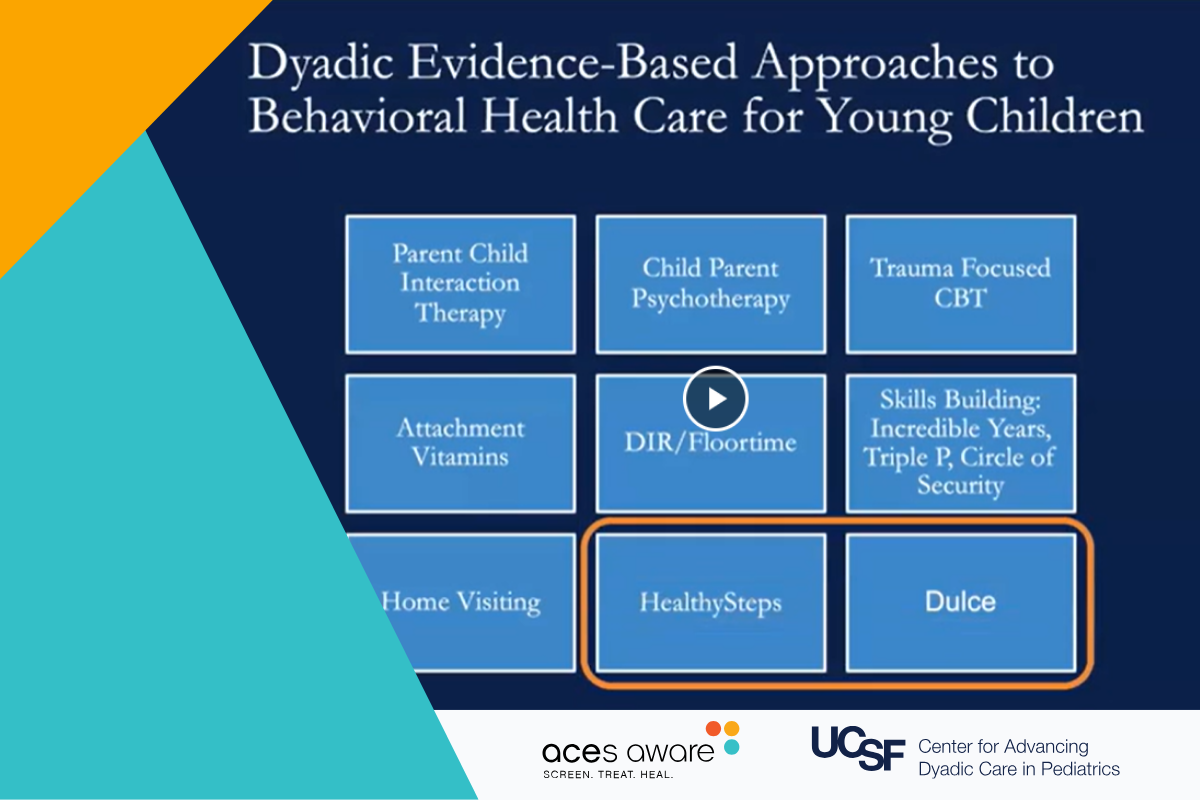
Research shows that comprehensive models of dyadic care in the pediatric clinic setting help identify and address caregiver and family risk factors for the benefit of the child. In this video, learn more about the dyadic intervention in pediatric primary care.
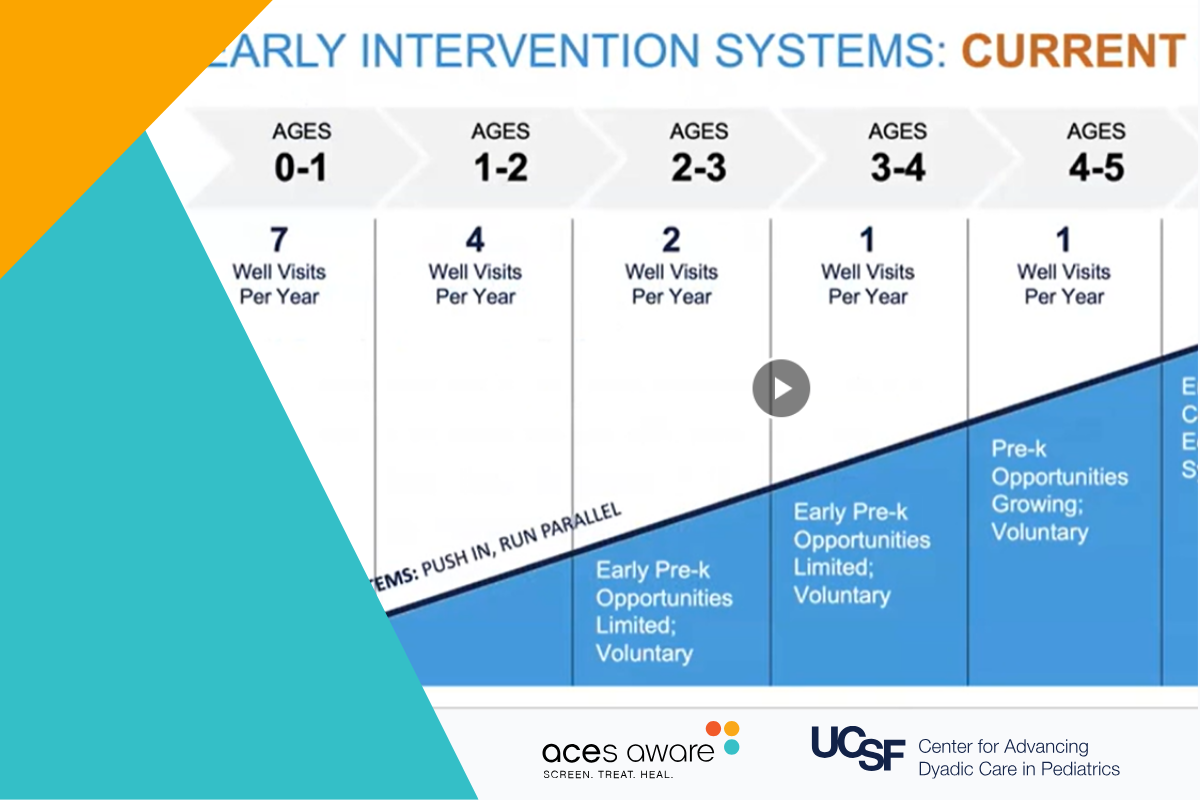
Baby wellness visits are the most frequent point of contact with the healthcare system for families with young children. In this video, learn how these visits can provide an opportunity to address the caregiver and family context, provide behavioral health early intervention, connect families to resources, support early child development, and mitigate intergenerational trauma and the effects of toxic stress.
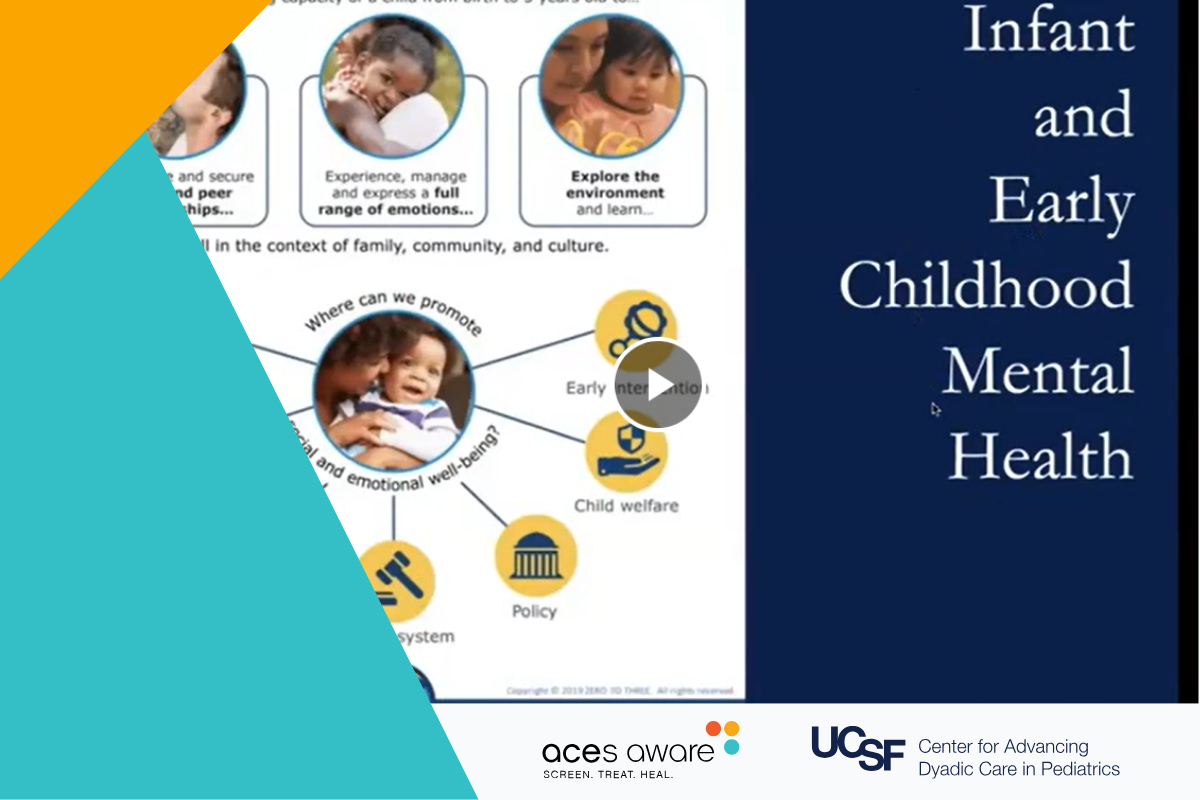
This video offers an overview of Infant and Early Childhood Mental Health (IECMH), which refers to the social and emotional development of children, including developing relationships, experiencing emotions, and exploring environment. This happens within the context of the family culture and community they are growing up. The bio-ecological model highlights how neural connections depend on interactions with adults and the environment, creating layers of potential impact on the child.
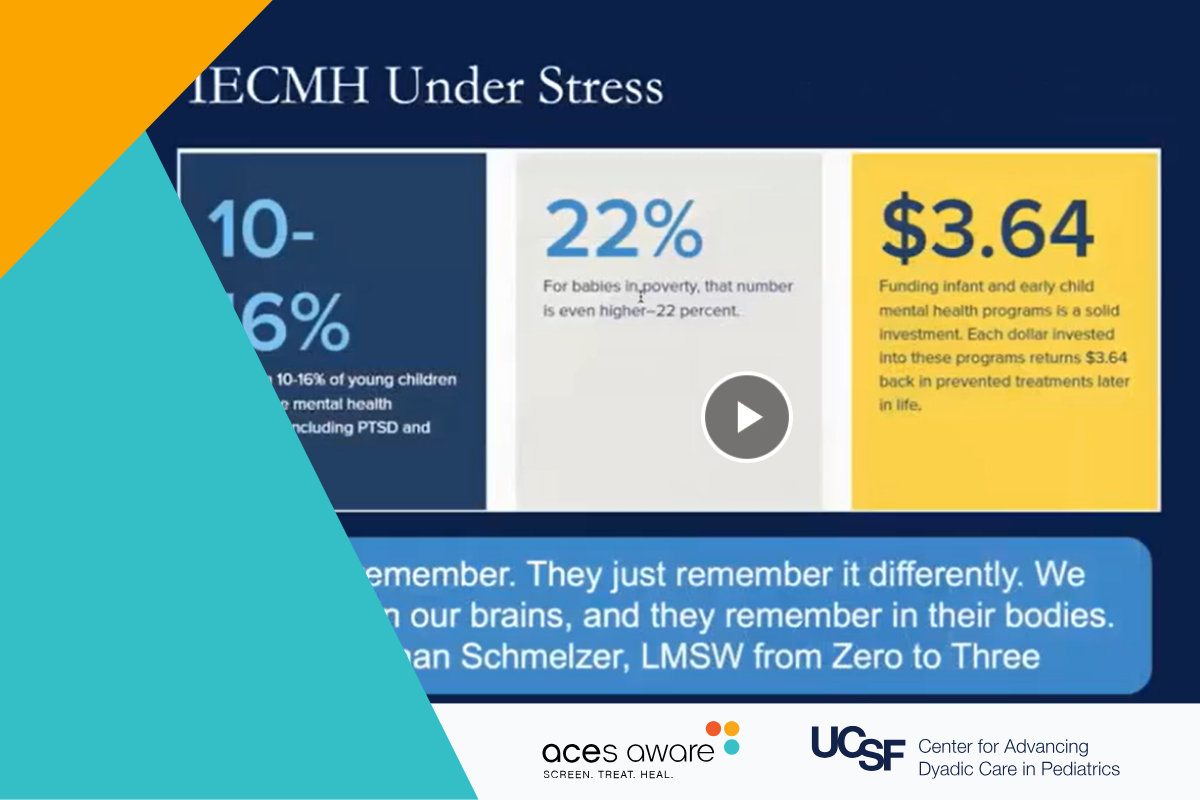
Babies remember stress in their body more than their "brain" - yet, neural connections are firing and creating opportunities for learning and growth. In this video, learn about how stress impacts a child when a caregiver is struggling. When providers understand the larger system patients exist within, this informs the creation of care plans. Early intervention, including emotional regulation and co-regulation work, allows for the potential to reduce or mitigate mental health challenges.
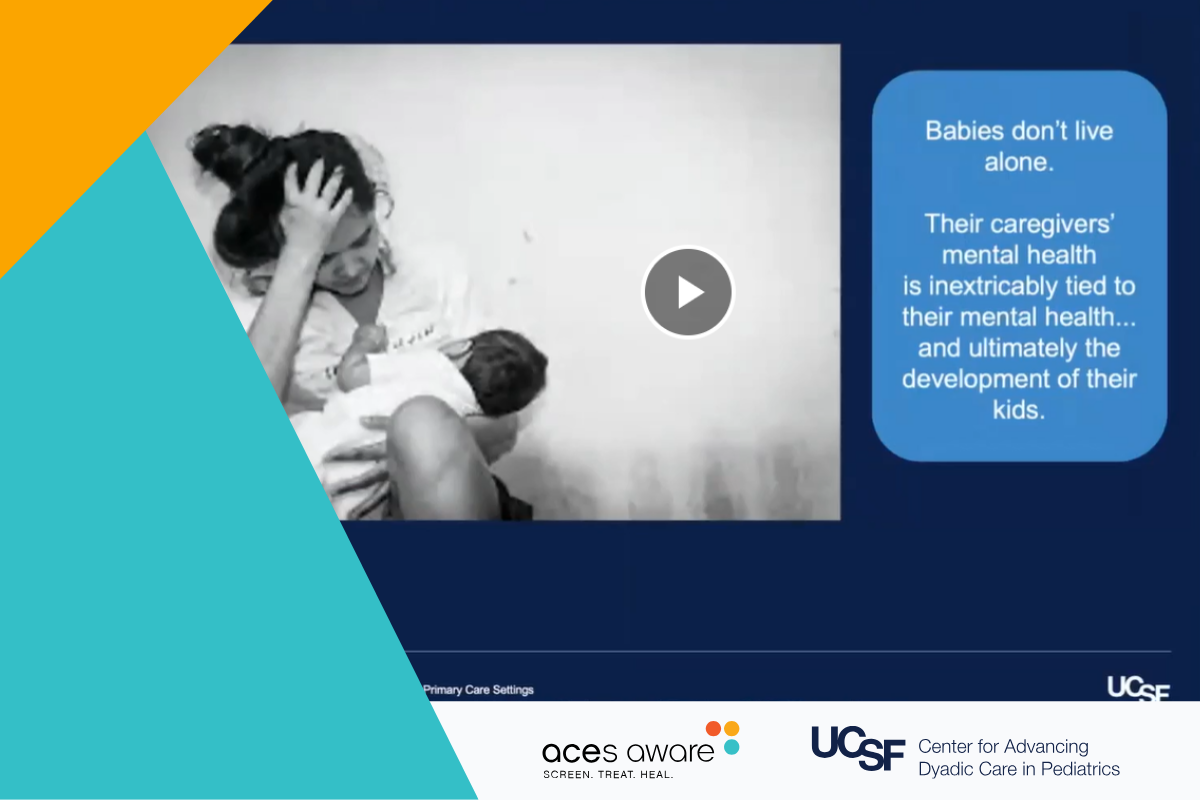
A dyad is seen 12 times in the first 3 years of life. A well child visit is a powerful place filled with teachable moments, a chance to witness moments of attunement, and opportunities for promoting wellness. This video highlights how focusing on prevention work promotes health, as well as supports identifying needs early on.
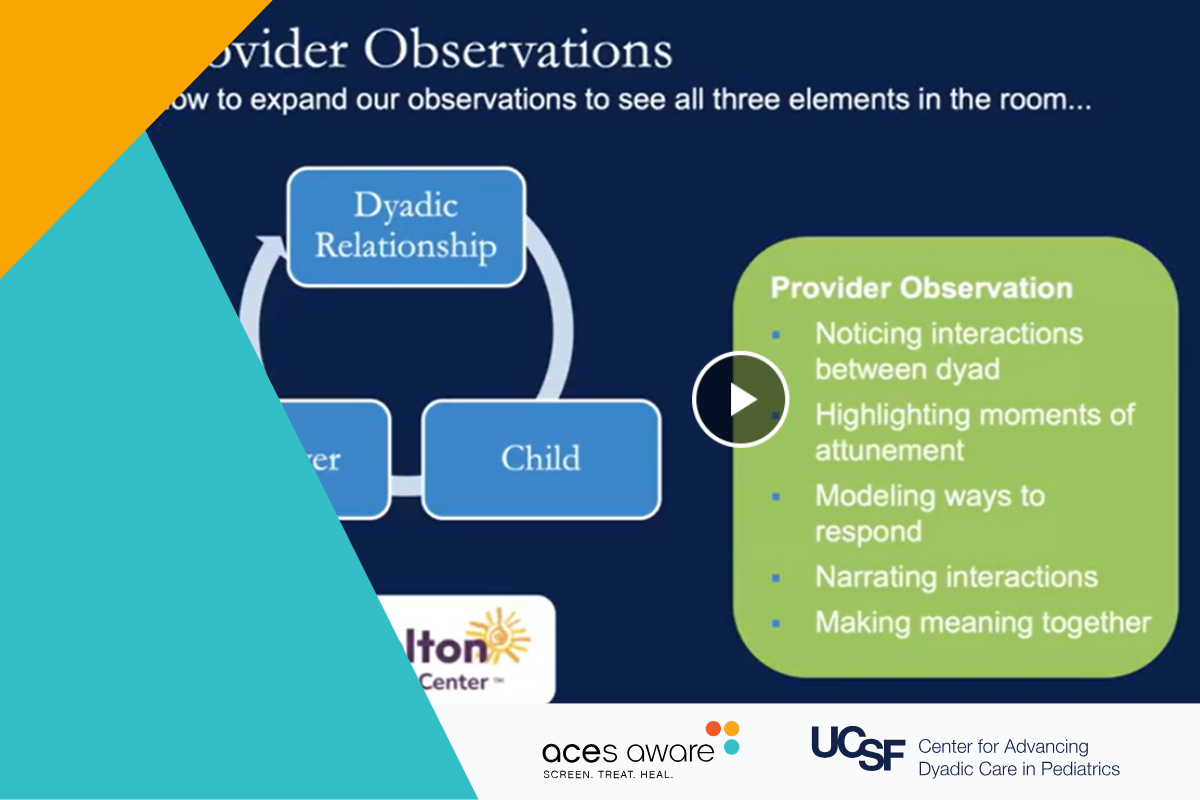
It is important to recognize the power and potential for impact by utilizing observations of a dyad as a tool to inform what might be needed and what questions are valuable to ask. Here in this video, we find practical examples of how to use typical moments in a visit to highlight emotional needs and experiences of a dyad.
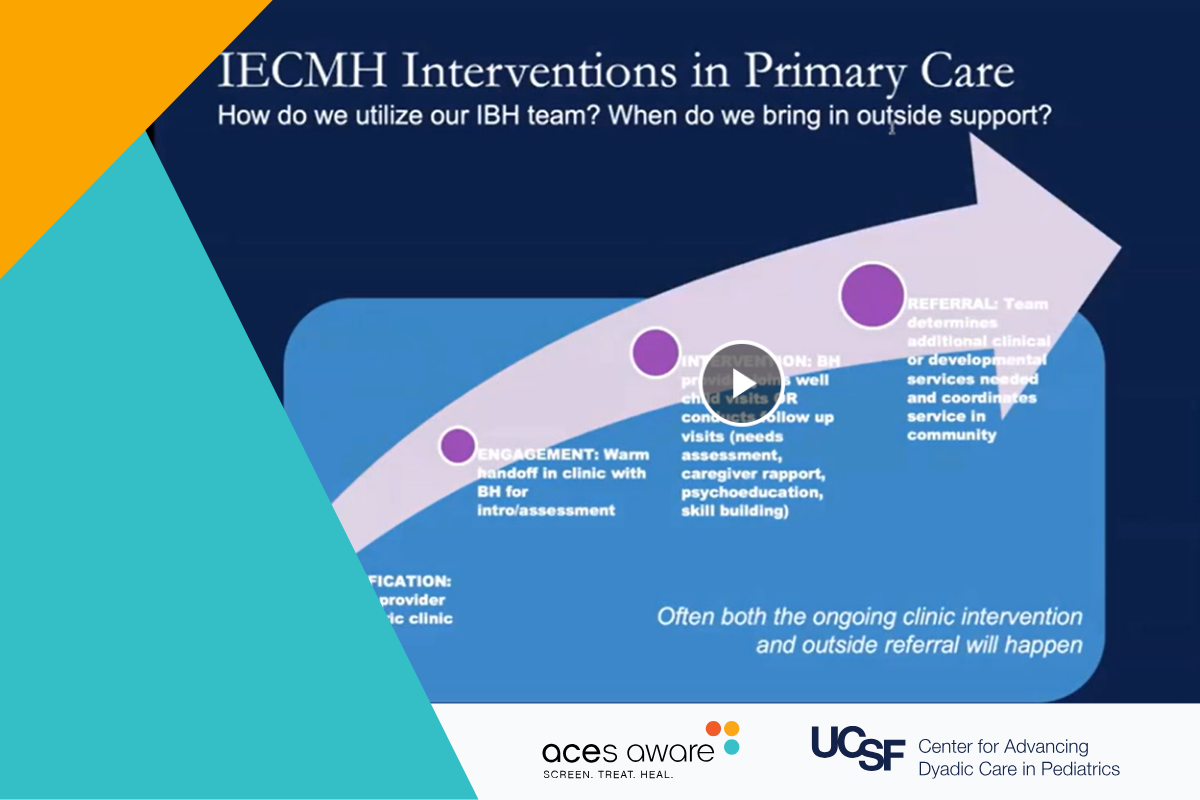
Sometimes the biggest challenge to practice transformation is being able to understand and visualize how the work might actually play out. Here in this video, we are able to follow a trajectory of what a dyadic care visit might look like, exploring the various intervention possibilities.
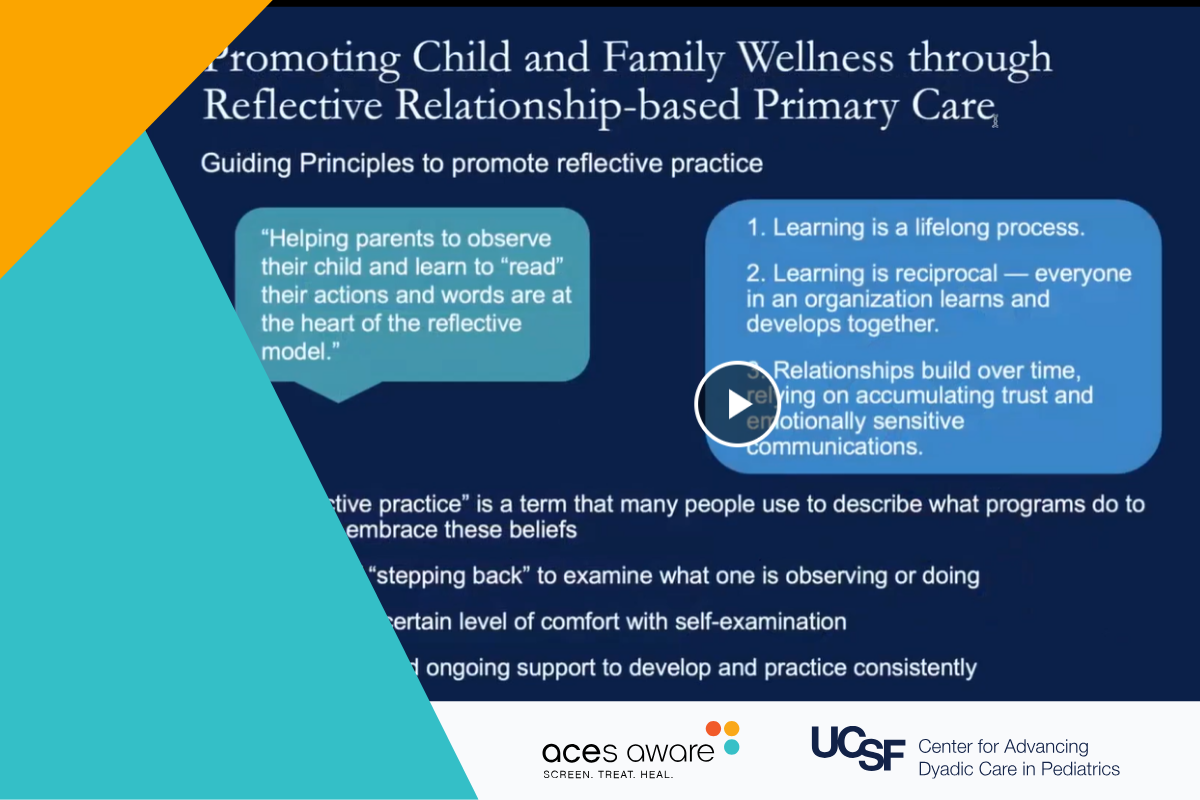
Working from a foundation of reflection and a lens of equity, we find that pediatric providers are able to establish relationships with caregivers that, in turn, support and model the types of relationships we know that allow children to thrive. Here in this video, we learn a bit more about what reflective practice means, as well as how diversity-informed tenets can be a guide for this work.
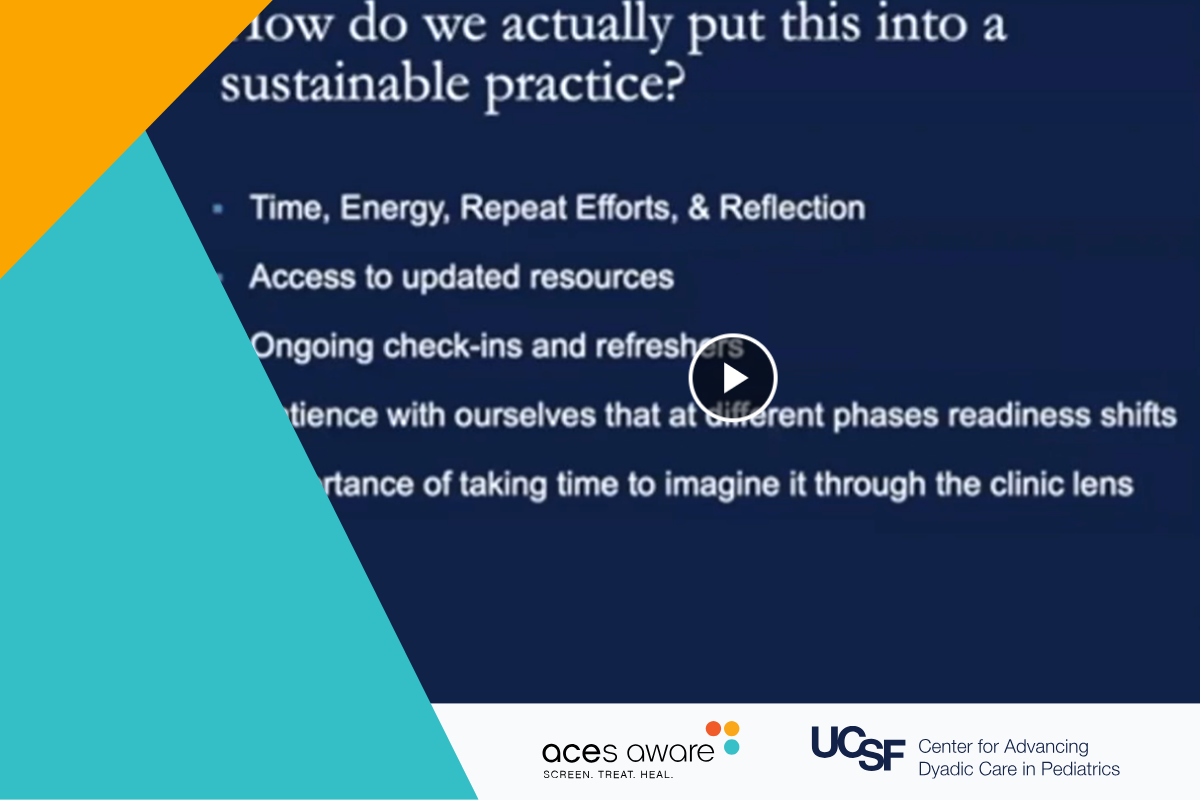
In order to begin an exploration into dyadic care services, it can be helpful to understand what key elements might be needed to work towards something sustainable. In this video, learn about the basics of dyadic care billing.
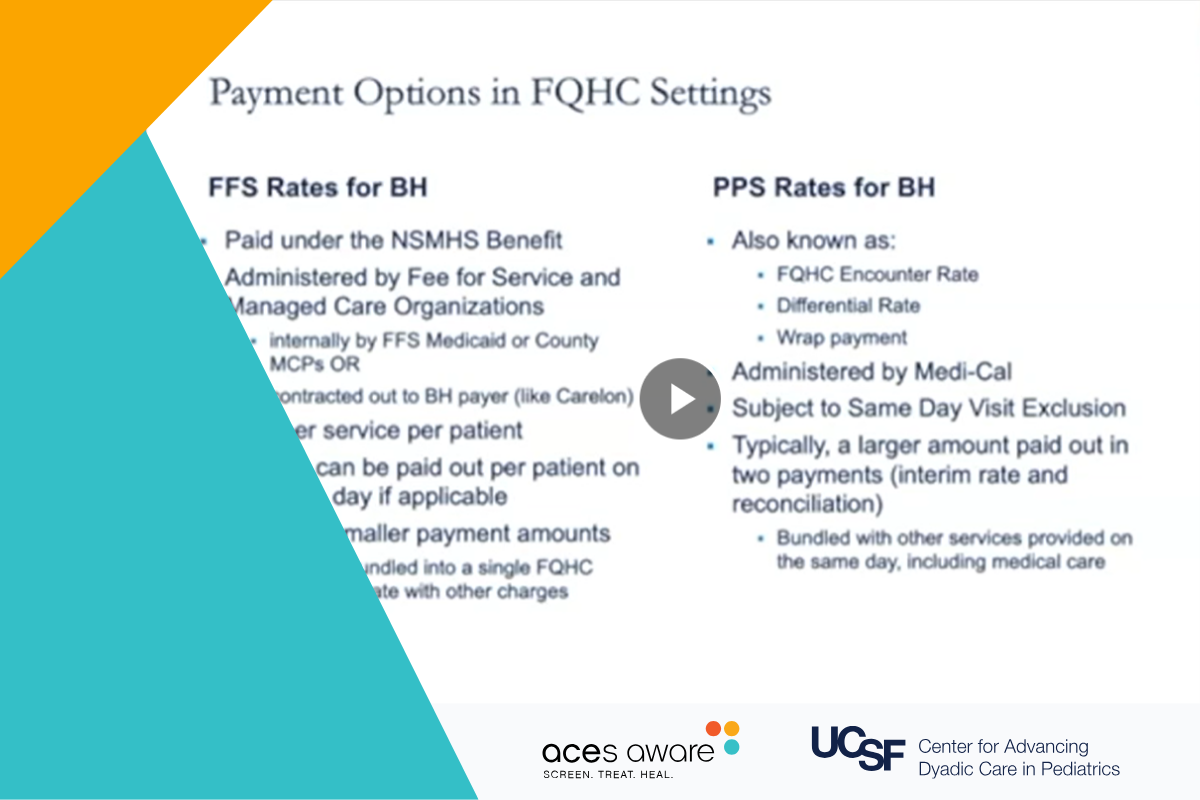
Understanding the breakdown of how FQHC billing happens for Behavioral Health services includes a special look at how reimbursement happens and is impacted based on type of billing service. In this video, the ways to maximize revenue even for same day visits is explored.
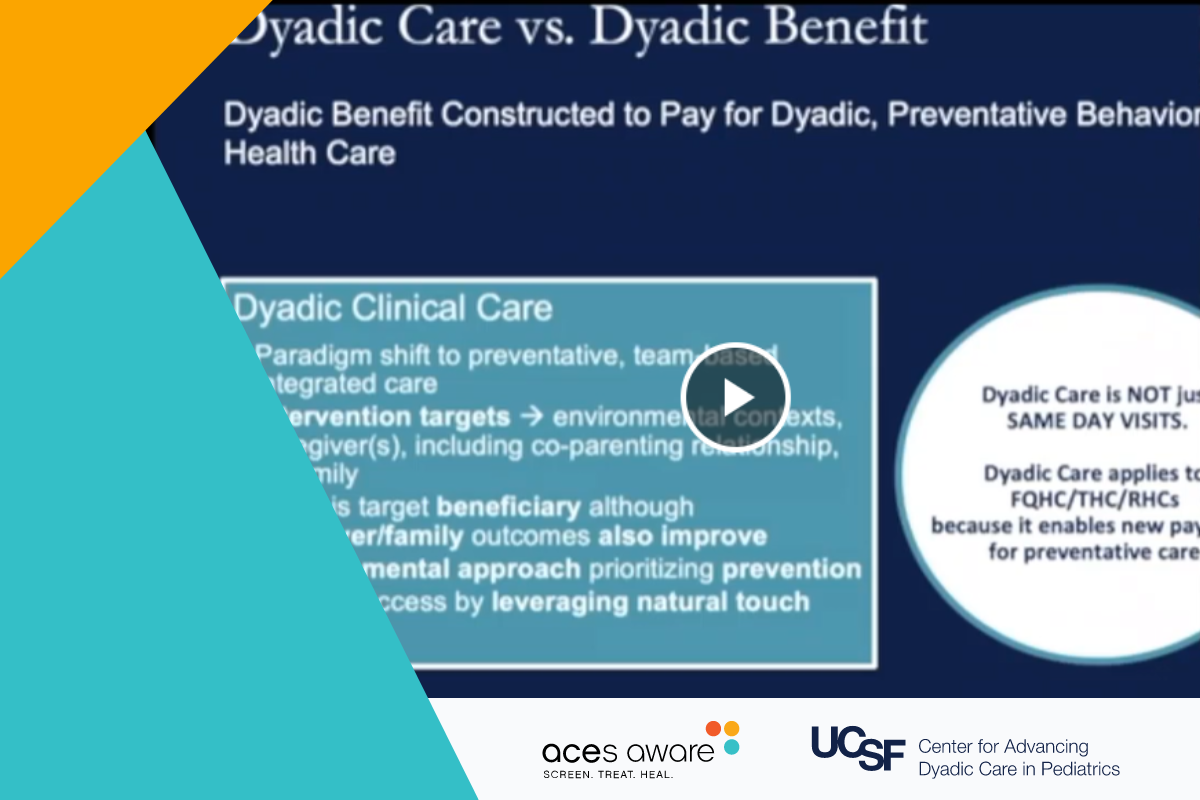
As we continue to understand this paradigm shift, moving from problem-focused to prevention-based, as well as from individual to team-based care, this video helps explain which provider types are eligible to bill for these dyadic services.
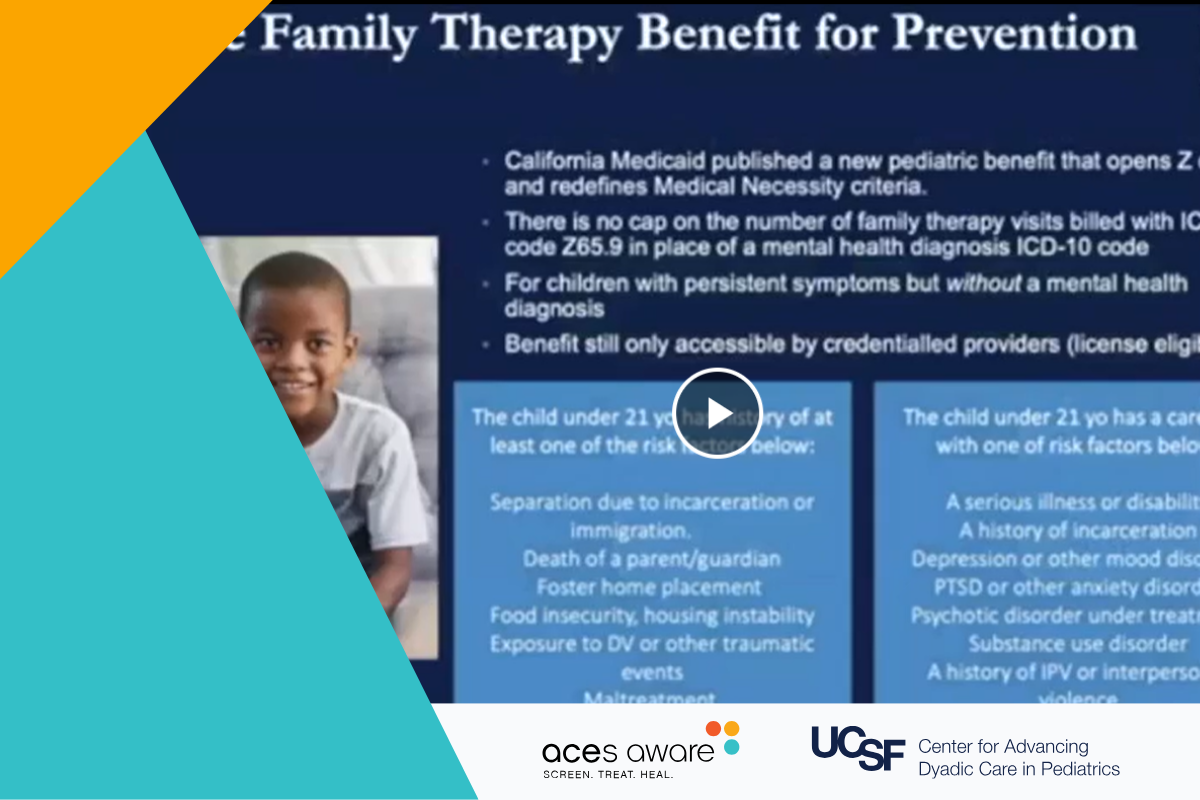
A summary of the present family therapy code is shared in this video, along with an exploration into how it might be incorporated into a clinic focused on caring for dyads, even though it is separate from the dyadic service codes.
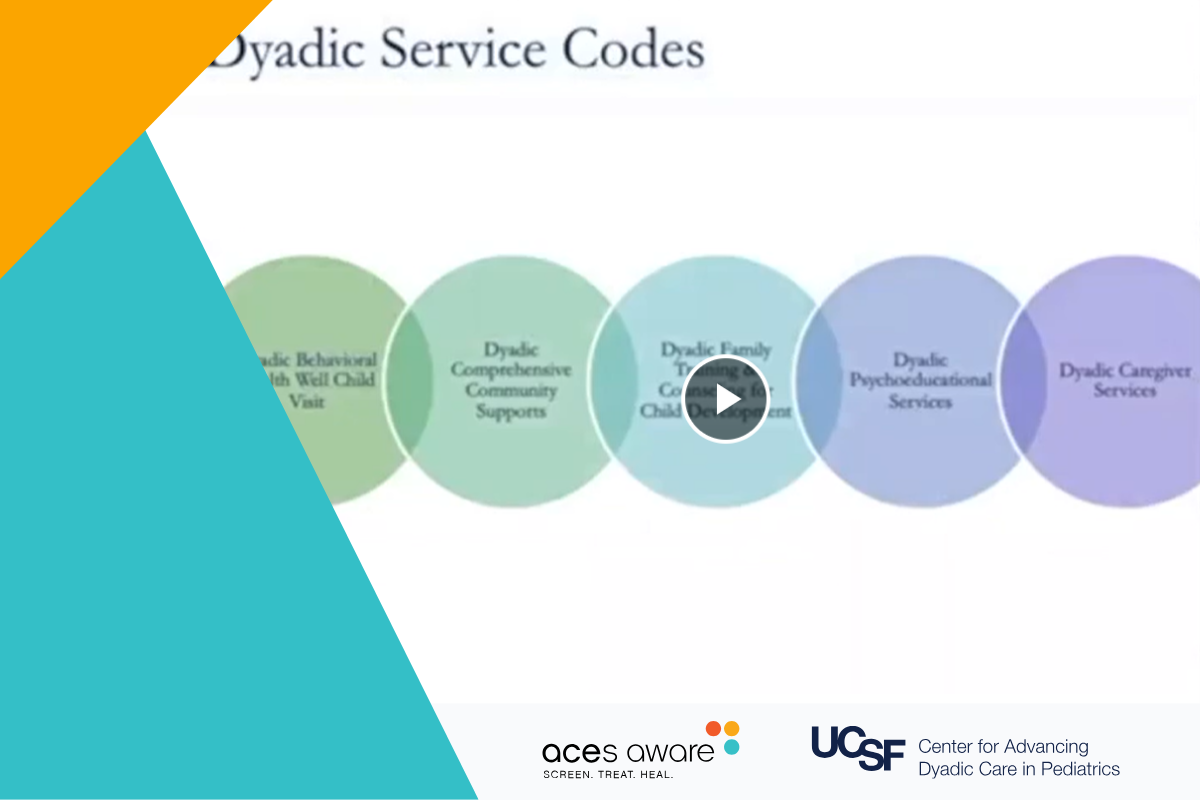
This video offers a deep dive into each new dyadic service code, reading through what is listed in the NSMHS manual as far as what is required and what is covered, as well as discussing how to implement them.
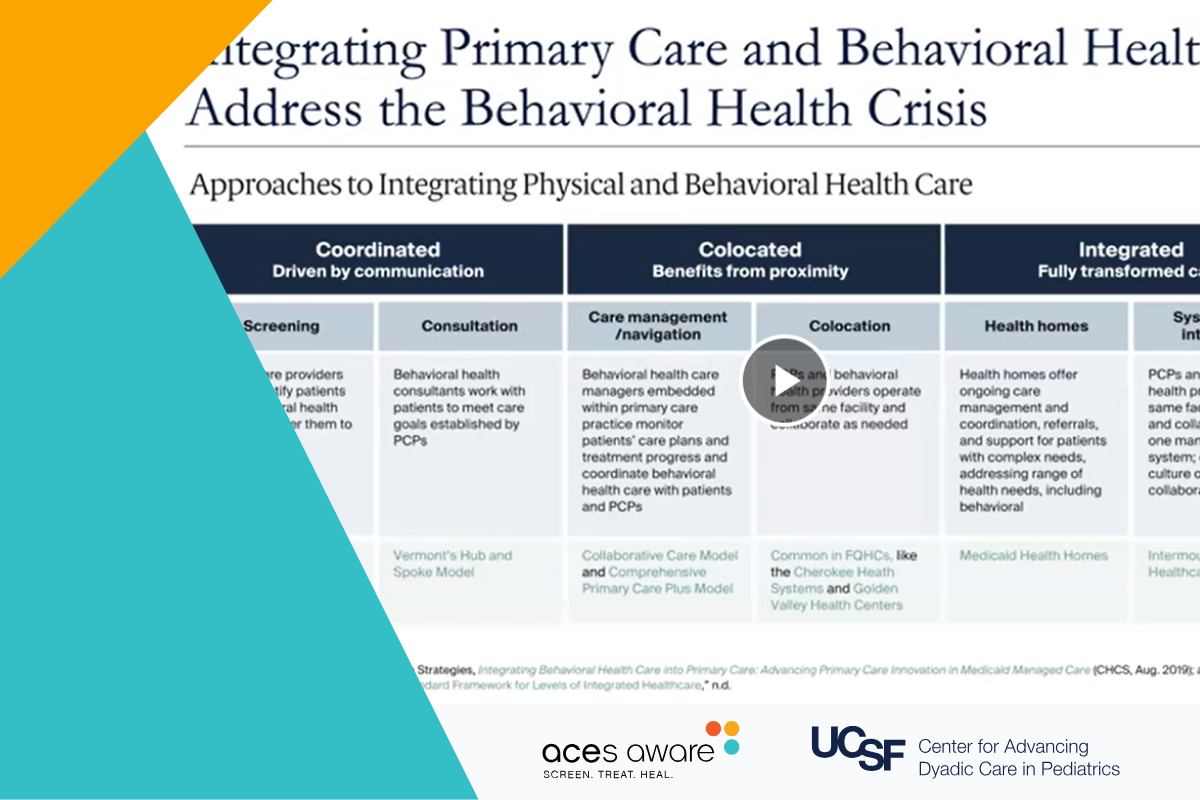
Practice transformation is challenging and integrated behavioral health is no exception. There are potential benefits of integrated behavioral health, as explained in this video. Learn about a tool to help assess how your practice is doing.
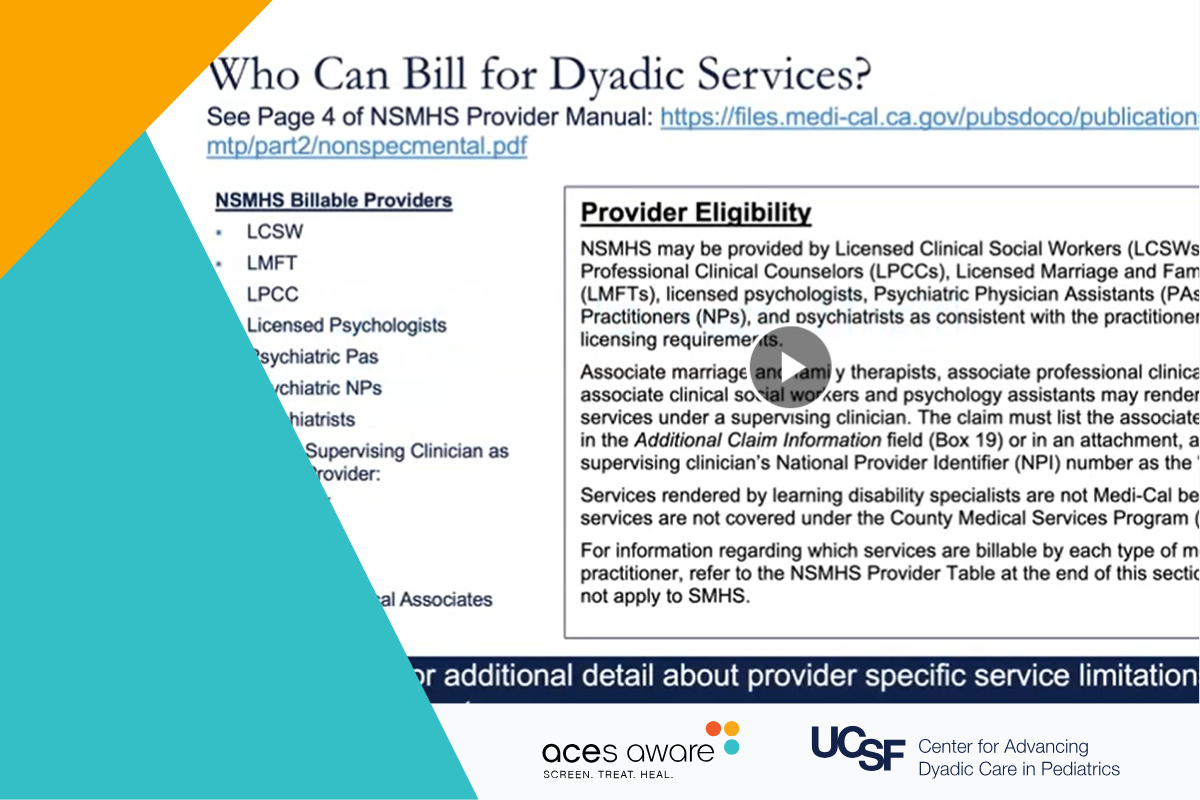
Taking a look at provider eligibility for dyadic care services, this video dives deep into what a dyadic behavioral health provider might look like in practice. Attention is brought to the HealthySteps program and their set of competencies for specialists as a useful guide, as well as highlighting the DC 0-5 diagnostic manual and its dimensions of caregiving scale.
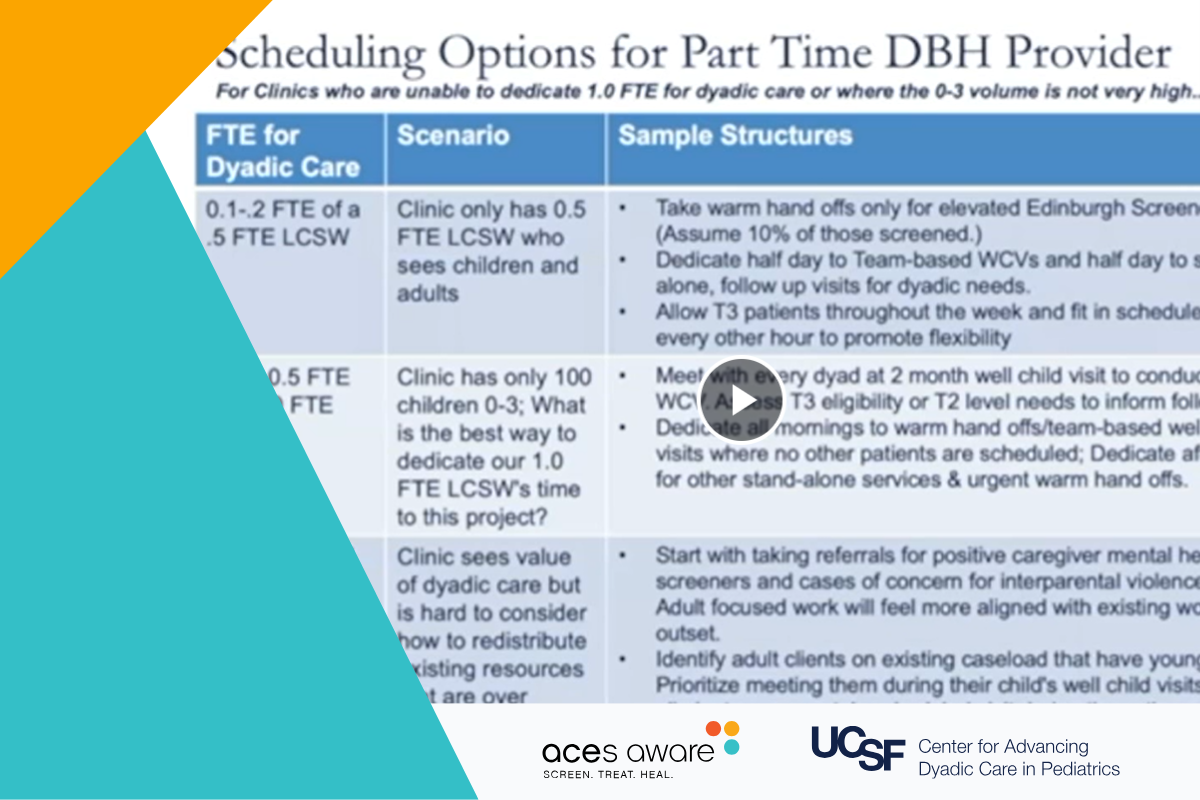
One of the greatest barriers many clinics face is the shortage of behavioral health staff, in particular those with early childhood experience. Here in this video, we take a look at how to analyze your present workforce, skillset, and patient load to find a schedule that could work for all. With dyadic services, it is also important to highlight the opportunities that are presented to capture adult caregivers and support their mental health needs within the well child visit, as ...

This special webinar highlights the ACE Screening How-To Guide and implementation lessons from clinics across the state.
This is the third and final webinar in a series that explores the science of Adverse Childhood Experiences (ACEs) and toxic stress. Dr. Rachel Gilgoff, Clinical and Science Senior Advisor for Aurrera Health Group, dives into how providers can develop their clinical response to ACEs and toxic stress, including treatment and follow-up plans.

This is the second in a series of webinars that explores the science of Adverse Childhood Experiences (ACEs) and toxic stress. Al Race, Deputy Director and Chief Knowledge Officer from the Center on the Developing Child at Harvard University leads a deep dive into how early experiences affect lifelong health.
This is a special webinar highlighting the final release of the ACEs Aware Trauma-Informed Network of Care Roadmap. The Network of Care Roadmap provides practical steps that health care providers, clinics, community-based organizations, and social service agencies can take within their communities to grow cross-sector networks of care and improve collaboration and coordination across systems to prevent, treat, and heal toxic stress.
This is the first in a series of webinars that explores the science of Adverse Childhood Experiences (ACEs) and toxic stress, presented by California Surgeon General Dr. Nadine Burke Harris.
Featuring opening remarks by California Surgeon General Dr. Nadine Burke Harris, this is the first in a series of webinars that will explore research demonstrating how racism and other forms of discrimination can serve as risk factors to activate a toxic stress response, and lead to health conditions that have been empirically associated with exposure to Adverse Childhood Experiences (ACEs).
This ACEs Aware webinar discusses the physiology of toxic stress and how to apply the science of Adverse Childhood Experiences (ACEs) and toxic stress in pediatric care.
The February ACEs Aware webinar discusses the secondary health effects associated with stress caused by COVID-19. Presenters share how ACEs Aware training and resources to treat toxic stress can equip providers with the knowledge and tools they need to effectively incorporate ACE screening into patient care, and to better respond to and support their patients during this time.
This webinar includes a discussion and concrete example of a trauma-informed network of care, a group of interdisciplinary health, education, and human service professionals, community members, and organizations that support adults, children, and families by providing access to evidence-based “buffering” resources and supports that help to prevent, treat, and heal the harmful consequences of toxic stress.
California’s first Surgeon General Dr. Nadine Burke Harris set a bold vision to cut ACEs and toxic stress in half in one generation through a strategically deployed, coordinated public health initiative designed to raise awareness, reduce transmission of ACEs and strengthen our response networks. As part of this work, the Office of the California Surgeon General (CA-OSG) developed the Roadmap for Resilience: The California Surgeon General’s Report on Adverse Childhood Experiences, Toxic Stress, and Health, which lays out how to advance ...
This webinar provides information for women’s health providers about the importance of ACE screening in improving maternal health. Speakers share resources for providers looking to introduce ACE screening in their practice, examples of how to create a healing environment for patients, and case studies on how to respond to ACEs with trauma-informed care.
This webinar provides strategies, promising practices, and resources to support health care providers and clinical leadership as they assess their own organizational readiness and build workforce resilience to successfully integrate Adverse Childhood Experience (ACE) screening into clinical practice.
This webinar offers practical tips and examples on how providers can incorporate stress regulation strategies into their treatment planning for pediatric patients.

With an introduction from California’s first Surgeon General, Dr. Nadine Burke Harris, this webinar features a cross-disciplinary group of providers who have extensive experience with ACE screening and clinical response in adult primary care. Ths webinar covers: The value of ACE screening and clinical response in family and adult medicine; The science and physiological impacts of ACEs and toxic stress; The ACE screening tool and the ACEs and Toxic Stress Risk Assessment Algorithm; and Four case studies on how screening ...
Dr. Burke Harris and three other health care providers walk through two case studies to show how ACE screening can impact their clinical decision-making.
With physician perspectives from pediatrics, women’s health, and emergency medicine, panelists discuss the secondary health impacts of COVID-19 and how to support patients during this time. This webinar covers: the potential short and long-term health consequences, delays and disruptions in care, and using Telehealth and trauma-informed approaches.
This webinar covers the importance of, and opportunities for, building and maintaining trauma-informed connections with patients using telehealth during the COVID-19 emergency.
The webinar covers how trauma-informed principles and practices can help providers and their teams sustain high quality care of patients, and take good care of themselves in the face of acute stress resulting from COVID-19. This includes ways to help patients increase buffering and protective factors, as well as supporting patients using Telehealth. The webinar also highlighted resources and handouts that providers can share with their patients.