Practical Tools for Building Resilient Communities
About
This session in the "Implementation with Intention" series focuses on how community-based organizations (CBO) can employ evidence-informed stress-mitigation strategies to help clients heal from toxic stress. The webinar will explore practical strategies for integrating Stress Busters into local programs while honoring the lived experiences of people affected by Adverse Childhood Experiences (ACEs). Participants will learn how to adapt the strategies to their community's unique cultural and social contexts, overcome implementation challenges, and build capacity for sustainable use. Through real-world examples and interactive discussions, this session aims to support community partners with the tools and confidence needed to foster resilience and healing in their communities.
Learning Objectives
- Describe how Stress Busters can mitigate toxic stress
- Identify practical strategies that CBOs can use to implement Stress Busters in their organization and community
- Reflect on challenges and opportunities in using Stress Busters within your organization and community
Professional Credit
- This activity provides the following types of credit: AMA, AAPA, APA, ANCC, ASWB, ABIM-MOC, ABP-MOC.
- 1.0 credits are available.
- Activity document
Featuring

As a board-certified general pediatrician, child abuse pediatrician, and integrative medicine specialist, Dr. Gilgoff brings a multidisciplinary approach to ACEs, toxic stress, healing, and well-being. Over the course of her career, she has been a co-investigator of the Pediatric ACEs Screening and Resilience Study (PEARLS), the Medical Director of the Clinical Innovations and Research Team within Center for Youth Wellness, and co-founder of the National Committee on Asthma and Toxic Stress. She co-developed the Resiliency Clinic, a group clinic intervention model to treat toxic stress, and more recently, co-created VITAL: Relational Health, a free, on-line learning series on the science and practice of relational health. Dr. Gilgoff is currently an adviser with the California Aces Aware Initiative, an Adjunct Clinical Associate Professor at Stanford University School of Medicine, and a co-PI on Systems-based, Multidisciplinary Assessment of Adversity and Toxic Stress for Individualized Care (The SYSTEMAATIC Project), an ACEs and Precision Medicine research project through the California Initiative to Advance Precision Medicine (CIAPM). She is dedicated to addressing health issues resulting from child abuse and toxic stress, creating systems of care that incorporate the science of stress biology and wellness, and collaborating across sectors to develop multidisciplinary, integrative, human-centered, and holistic approaches to healing.
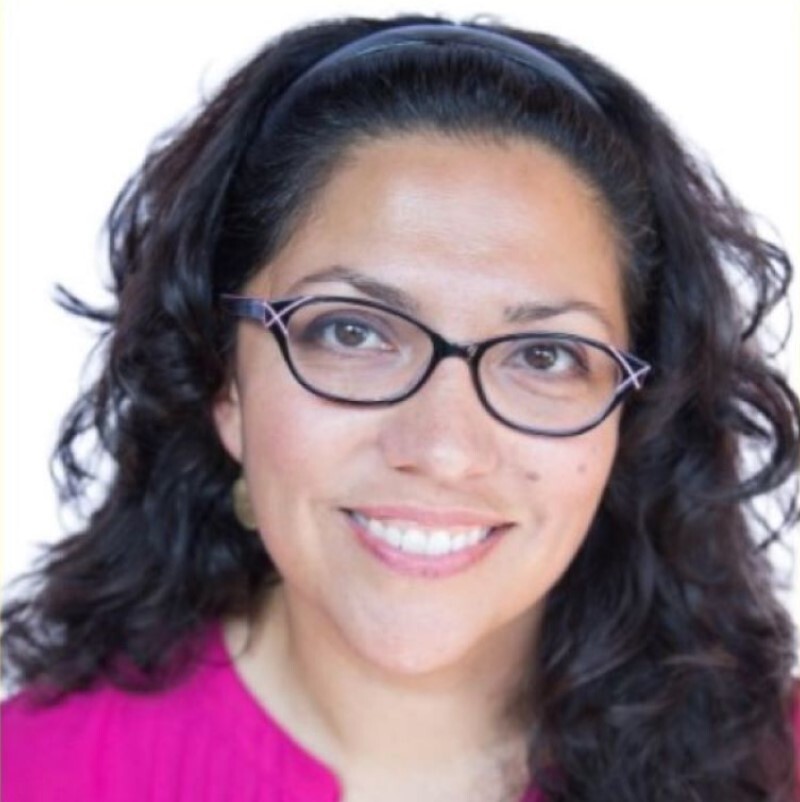
Sushi Frausto is a Licensed Marriage and Family Therapist (LMFT) specializing in Expressive Arts Therapy. She serves as the Senior Program Manager for Therapy Services and Clinical Supervisor at Safe & Sound Family Resource Center in San Francisco. At Safe & Sound her team works in tandem with others to provide wraparound services for at-risk children and families. At Safe & Sound the main mission is to end child abuse and create safe living spaces for all children. Her team focuses on providing therapy services to address trauma and mitigate the effects of Adverse Childhood Experiences (ACEs) within the community. Prior to her role at Safe & Sound, Sushi worked as an LMFT at the Institute for Girl’s Development in Pasadena, CA. She has also worked as a Clinical Care Coordinator in San Francisco linking families to city resources and as a Mental Health provider at Age Song Senior Communities. Her training includes using Expressive Arts Therapy, focusing on trauma treatment, parenting support, and creating mental health curricula to use with groups and families.

Jada Imani Carter is a patient advisor with ACEs Aware, dedicated to advancing trauma-informed care and community healing. With a background in youth development, advocacy, and cultural organizing, she works to address the impacts of Adverse Childhood Experiences (ACEs) through education, storytelling, and grassroots engagement. Jada integrates lived experience with evidence-based practices to foster resilience, promote health equity, and support community-driven solutions for healing and well-being.
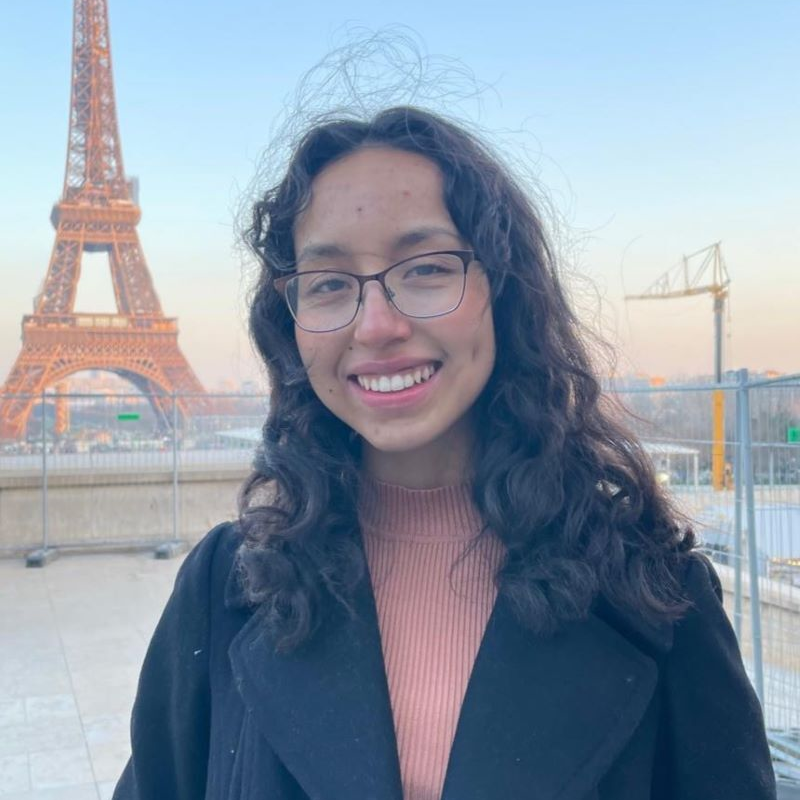
Gabriela Escobar is a program coordinator at the ACEs Aware initiative and a former Health Equity Intern with the UCSF Center for Child and Community Health. Since 2018, she has worked in health advocacy across academic, philanthropic, and government sectors, with a focus on reshaping social care systems and addressing health inequities. Gabriela is passionate about bridging the gap between cultural competency and trauma-informed care to better serve marginalized communities.
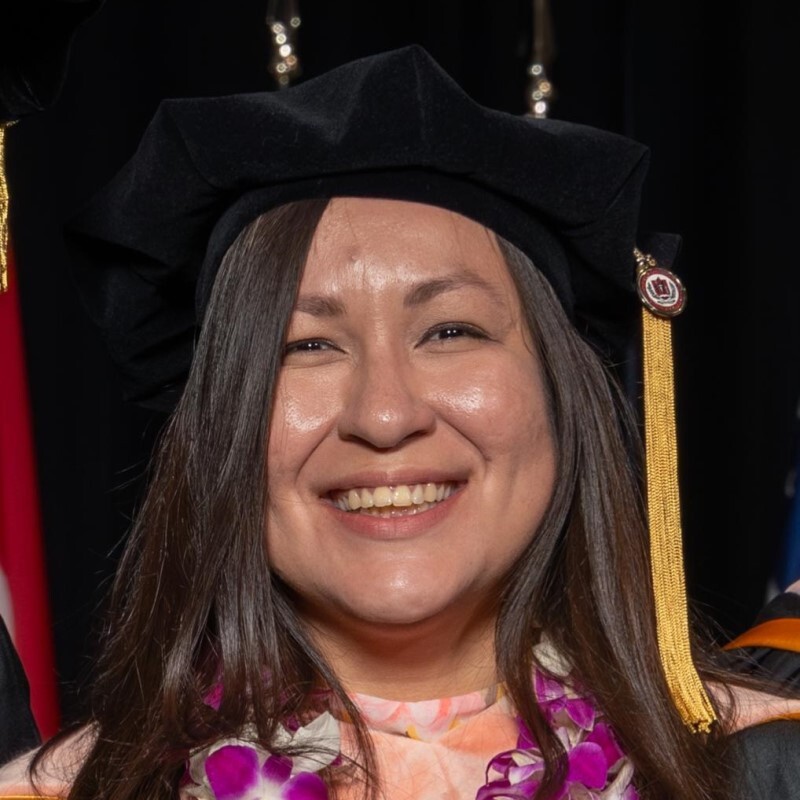
Alicia O. Carranza, MPH, MCHES®, NBC-HWC, CTSS, DrPH
Dr. Carranza is a health educator with the Orange County Health Care Agency, a Visiting Assistant Professor with Occidental College, and an adjunct faculty member with California Baptist University. As a Certified Trauma Support Specialist, Dr. Carranza brings unique perspectives to public health practice. She has 10 years of experience developing, implementing, and evaluating various health promotion programs for diverse populations including adults involved in the justice system and adults with behavioral health conditions. She is also a Certified Domestic Violence Advocate and a Community Grant Reviewer with the UCI Institute for Clinical and Translational Science. Dr. Carranza earned her Master of Public Health degree with a concentration in Health Promotion from National University and holds a Doctor of Public Health in Preventive Care from Loma Linda University.
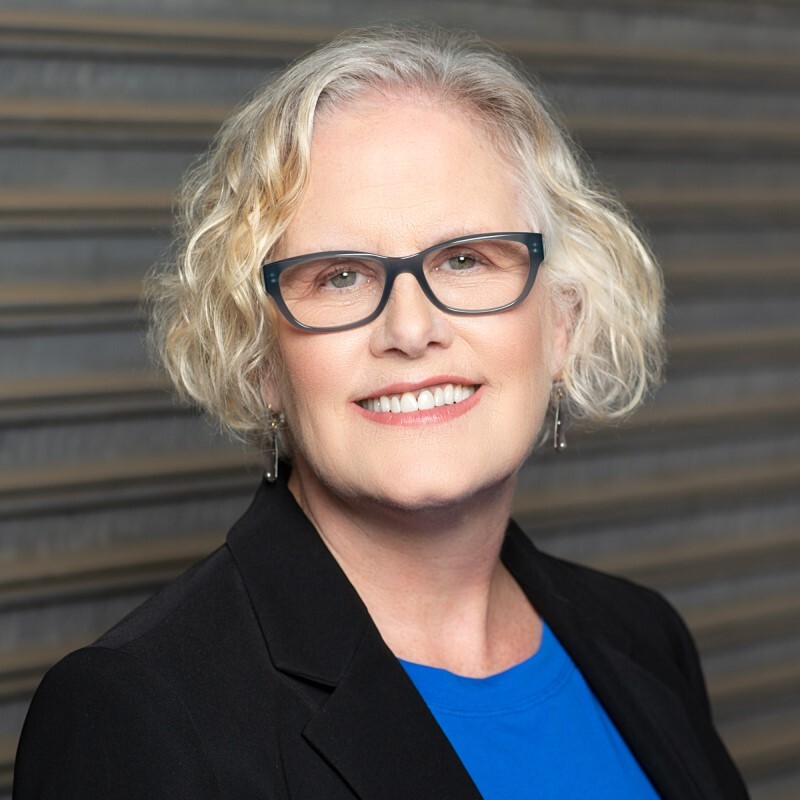
Ann Wrixon joined CASA in May 2016. Under her leadership, the organization increased the number of foster children served by more than 100 percent. Wrixon, who has more than 30 years of experience in nonprofit management, has worked on a variety of issues, including adoption, education, child welfare, technology, media, seniors, and philanthropy. She has spent much of her career serving families living in poverty. Wrixon has a BA Degree from Rutgers University, an MBA Degree from San Francisco State University, and a Master of Social Work from California State University, East Bay. She has written extensively on issues related to the nonprofit sector and child welfare, including two books about adoption. Additionally, Wrixon is a Licensed Clinical Social Worker and a lecturer in the Graduate School of Social Work at San Jose State University.